

- The Best Vendor for Heirloom Tomato Seeds - October 13, 2026
- Ferry Morse vs Baker Creek - July 9, 2026
I’m sure I’m not the only one who has stood in front of the entire row that magically appeared right next to the entrance of the hardware store, looking at rows upon rows of Ferry-Morse seeds. I have basically been able to find everything I want there as far as basic crops are concerned.
But then I look online, and I see a lot of beautiful pictures, the things that my friends have planted from rare seeds with bright colors and fun names like Lemon Cucumbers or Fall Gold Raspberries from companies like Baker Greek.
So what is the difference between them, and how do you choose?
Bottom Line:
These two brands solve different problems for you. If you want your time-tested staples, like Beefsteak Tomatoes and Early Scarlet Globe Radishes, Ferry-Morse has what you need. But if you want exclusivity and variety, then Baker Creek and things like their Thai eggplant or Atomic Grape Tomatoes are best.
Let’s see how they compare over some key components as a gardener.
Variety Depth vs. The Classic Staples
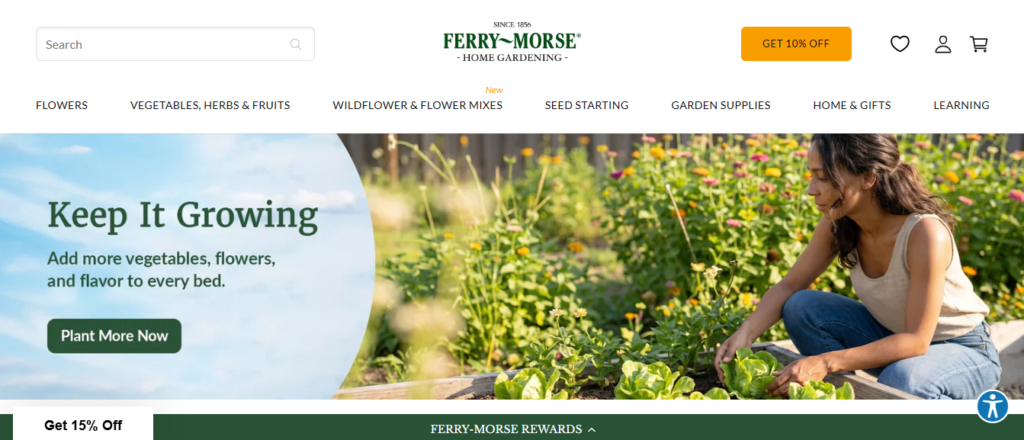
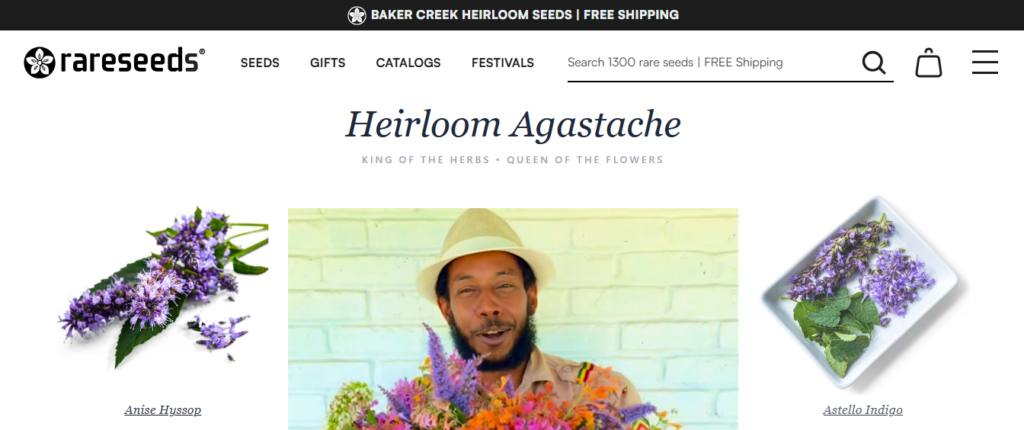
For starters, Baker Creek is basically the gardener’s version of going into a candy shop; they have so many fun options that you don’t see at the generic gas stations or checkout lines.
They specialize in open-pollinated heirloom varieties that are collected from around the world, whereas Ferry-Morse shies away from trendy things and stocks exact varieties for the quintessential gardener.
The Heirloom Label & Growing Standards
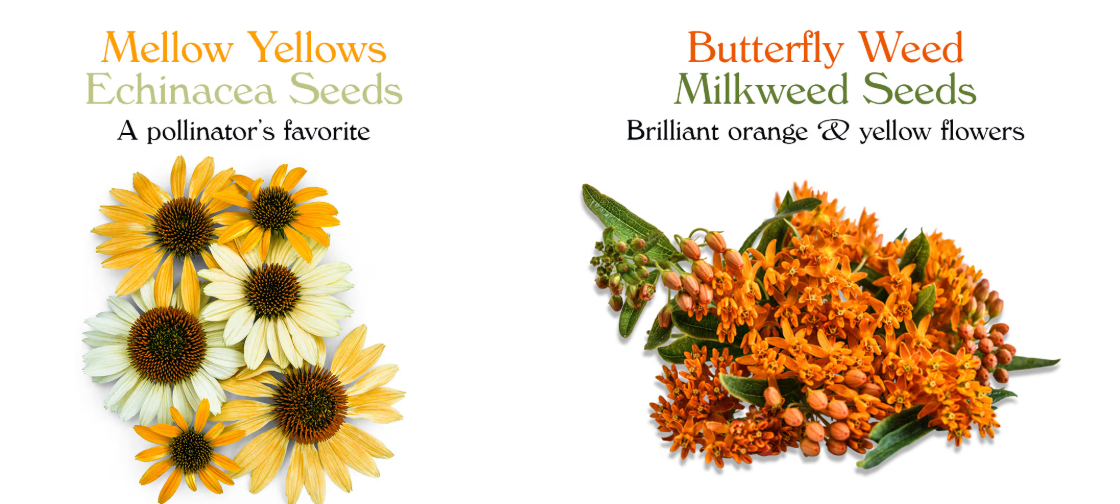
Baker Creek gets its reputation not just from offering a lot of depth, but because they are purists about offering 100% non-GMO, heirloom only varieties. The fact that they offer heirloom only varieties is very important because a lot of companies today throw that term “heirloom” around somewhat willy-nilly without representing it authentically. Baker Creek is not one of those. They have a legitimate heirloom label.
This means, too, that everything they sell can be seed-saved. I’ve usually been able to save the seeds from my produce and germinate them again every season, and that has helped me not only cut down on my costs as I increase self-sufficiency but leave my gardening budget for even newer and cooler seeds.
Ferry-Morse has a lot of certified organic and they have non-GMO seeds if that’s important for you. They also have a ton of modern hybrid seeds which have bred-in disease resistance. I know, I know, and when I was younger I was completely against any type of hybrid seed as well, but after a decade of homesteading and watching my entire crops be lost to diseases like powdery mildew outside of my control, I’ve changed my tune. Ferry-Morse is also where I go for all of my staples, the things that I don’t harvest and germinate from one season to the next, like carrots.
Retail Convenience & Value
When it comes to convenience and value, Ferry-Morse is the clear winner here. You can literally walk into any grocery store, hardware store, Walmart, and find their seeds available for around $2 per packet.
Baker Creek isn’t going to be something you see while also buying toilet paper. They have standard packets available online through a mail-order option only. These packets tend to cost two or three times as much as Ferry-Morse, but part of that is having a much more generous seed count and heavy-duty packaging. Just be sure to plan ahead of your growing season accurately so the shipping doesn’t hold you back.
Common Crops: Growing Standards
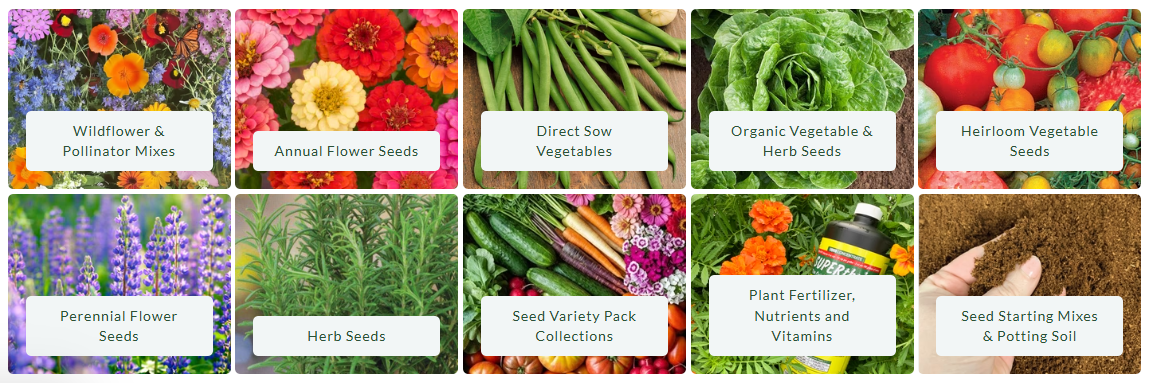
If you are trying to set up your garden, it’s important to know when to splurge on heirloom seeds and when you can stick to the hybrid offerings from Ferry-Morse. I tend to use Ferry-Morse for as many of the most basic items in my garden as I can, and then I splurge on Baker Creek for some of the unique choices.
Here is a quick breakdown of common seed selections for small gardens and homesteads and how the two compare:
Ferry-Morse Modern Hybrids
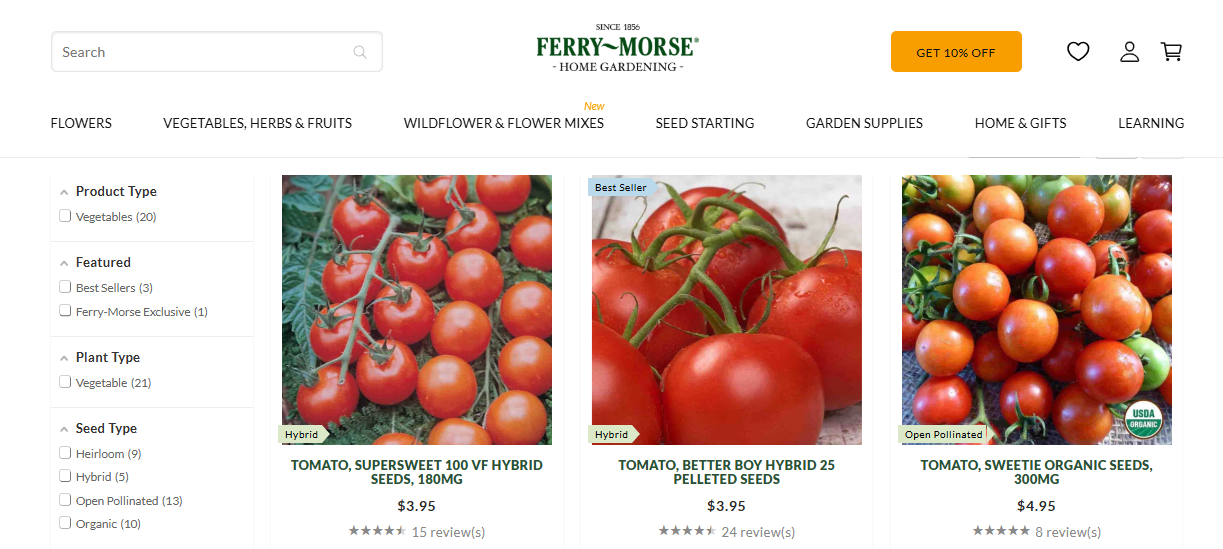
If you want tomatoes, this brand can give you varieties like Celebrity or Early Girl that are bred to resist common wilts (VFN) and produce a massive harvest all at the same time. Perfect for canning. VFN, for those who don’t know, means the hybrid plant is bred to resist three common plant ailments:
- V: Verticillium wilt
- F: Fusarium wilt
- N: Root-knot Nematodes
If you need to grow squash or zucchini in a smaller space, Ferry-Morse has a lot of bush-style designs that are compact and will help you fight off vine borers or powdery mildew in wet or humid spaces.
Ferry-Morse has some really good hybrid seeds for basic things like cucumbers, yielding a lot of cucumbers for pickling or for fresh salads.
If you have a short growing season and you want basic peppers, they offer things like hybrid sweet bell peppers that turn green to red or yellow a lot faster, so if you’re in a cooler climate, for example, you can still take advantage of a pretty awesome yield (you might even outshine Peter Piper and his peck of peppers).
Baker Creek Traditional Heirlooms:
Now, if your goal is something that looks super fun when you slice it open at a summer barbecue with great color, then varieties like Cherokee Purple or Brandywine are best. But depending on where you live, these plants can be finicky and prone to splitting.
I’ll admit I have grown both of these varieties for the last three seasons, and I still love the taste and the color, but around 50% of them split. It’s not a deal breaker; I just use those around the house and serve the pretty ones to company.
Baker Creek offers heirloom varieties like the solid-necked Trombocino squash, which vine borers can’t get into and sit really well over winter. So if your goal is to get a lot of squash or zucchini for long-term food storage, this is a good option.
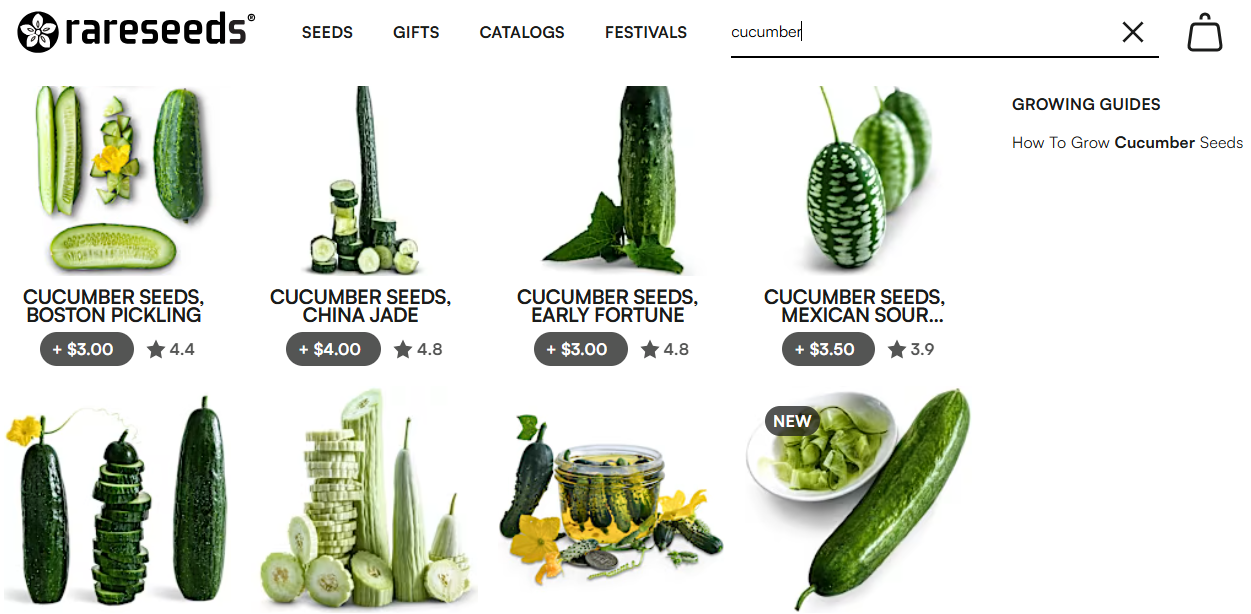
Now, if you want to grow things like cucumbers, they have really awesome seeds for specialized pickling or unique shapes like Lemon Cucumber or Armenian Yard Long. Basically the things you won’t find in stores.
Similarly, I tend to go with heirloom options for peppers when making homemade hot sauce because heirloom varieties give you much more vibrant outcomes: the perfect combination of fruit and heat notes without having to pick one over the other.
Climate & Growing Condition Comparison
So what about the region where you live?
I’m “lucky” to have lived all around the U.S., but I’ve had to adjust my seed purchases as a result.
Ferry-Morse, for example, has a lot of disease-resistant hybrids, but Baker Creek offers climate-adapted heirlooms. So let’s look at three different climates:
California
California has a hot, dry climate. Somewhere like Modesto, for example, has long, predictable growing seasons without a lot of humidity. So in California, Baker Creek seeds are best for things like long-maturity heirlooms like the Black Beauty Tomato, hot peppers, melon or eggplant varieties sourced from the Middle East or Mediterranean (like Italian heirlooms).
Ferry-Morse, however, works well for bush beans and basic greens, but only if you grow them in early spring before the heat sets in.
New York
If, for example, you live somewhere like Albany, New York, then you need to focus on hybrid seeds to help counteract the high humidity in the summer. High humidity brings with it a lot of powdery mildew, early blight, and late blight, so the modern hybrids from Ferry-Morse are better.
This includes some of my favorites like Early Girl tomatoes, which are short-season hybrids that give you a good harvest before the frost sets in, and can work against humidity. The hybrid breeds they have for cucumbers and squash are designed to be mildew resistant. These work really well to counteract the way summers in the humidity along the northeastern states would otherwise destroy squash vines.
That said, Baker Creek is great for cold-hardy greens and root vegetables that can work through the chilly spring and fall of the Northeast.
Oklahoma
Now if you’re somewhere in the middle, you might have to deal with a combination of issues like intense humidity, high summer temperatures, sudden drought, and wind. So for anyone living in the Midwestern states, you’ll want a combination of the two providers.
Ferry-Morse is better suited for things like sweet peppers and tomatoes because they have hybrid models that produce fruit reliably even when under stress. The same can’t be said for the heirloom seeds, which tend to drop their blossoms early, leaving you with no fruit.
However, Baker Creek should be your go-to for things like heat-tolerant squash, okra, cow peas, especially the heirloom okra and the Tromboncino squash, both of which can still work well even if you get temperatures over 100°.
The Verdict
- Choose Baker Creek if: You are a seed-saving purist, you consider yourself an adventurous cook, or you want to invest in stunning visual showstoppers like the Black Beauty Tomato. Baker Creek seeds are built for the gardener whose gardens are artistic experiments one season to the next (or, at the very least, one plot or row as an experiment).
- Choose Ferry-Morse if: You want to maximize your value, shop locally so that you have your seeds the minute the weather turns for the best, or you need dependable crops that are staples instead of unique one-offs. Ferry-Morse seeds are the perfect fit for practical, high-yield gardening without a premium price tag.