

- Best Pepper Seeds for Home Gardens - October 13, 2026
- Ferry Morse vs Back to the Roots: A Seed-to-Seed ComparisonFerry-Morse vs Back to the Roots: A Seed-to-Seed Comparison - September 25, 2026
- Old Seeds vs Fresh Seeds: How Long Do Garden Seeds Really Last? - August 5, 2026
Every winter, I pull out the box of leftover seed packets and discover that I remembered planting season much more clearly in June than I do in January.
There is usually an opened packet of basil tucked inside another envelope, a tomato variety with four or five seeds left, and more beans than I could reasonably plant unless I gave up growing everything else.
I used to look at the printed year and assume anything old should probably go in the trash, but that felt wasteful, especially when the packet had barely been used. Once I started testing seeds before throwing them away, I found that some of those older packets were still perfectly usable. Others gave me two weak sprouts and a very clear answer.
There is no single number that tells you how long every garden seed will last. The type of crop makes a difference, but so does storage, and I care much more about timing with some plants than others. If older lettuce comes up thin, I can sow another row and lose very little. If I spend several weeks waiting for peppers that never germinate, I may not have enough growing season left to catch up.
That is what I am really trying to judge when I sort through the box: what the date on the packet actually tells me, whether my own storage has been working against the seed without my noticing, which crops are worth the gamble and which aren’t, and how I test a packet before I trust it with a whole row.
Starting With the Date on the Packet
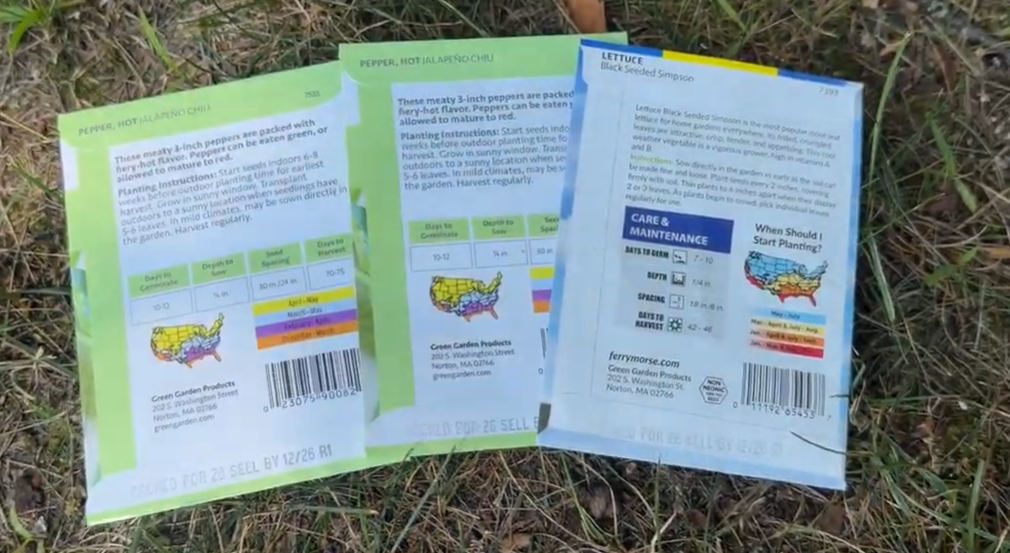
The packed-for year is the first thing I check, although I don’t treat it like an expiration date. Seed usually loses viability gradually. A packet that once produced nine seedlings out of ten may give you seven a few years later, then four, and eventually nothing. The plants that do emerge may grow normally, but the row or tray becomes less predictable.
I write the year I opened a packet near the top now, because that tells me something the original date can’t. A sealed packet from two years ago hasn’t had the same treatment as one that was opened, carried outside, folded into a pocket, and put away again after sitting beside damp soil. I learned that lesson after finding two basil packets from the same season and realizing I had no idea which one had been kept indoors and which one had spent part of the summer in a garden tote.
Before I test anything, I look at the seed and the packet itself. Dry seed should move freely inside the envelope. I throw away anything that smells musty, shows water stains, has clumped together, or has obvious insect damage. I’m willing to give old seeds a chance, but a damaged packet of common lettuce or tomatoes is easy enough to replace. It doesn’t need to become a project.
The amount left also changes what I do. A ten-seed germination test makes sense when the packet still holds plenty. It makes less sense when ten seeds are almost the entire supply. If I have only a few tomatoes left from a variety I liked, I’ll start every seed in its own cell and buy another packet as backup. With an ordinary herb I can replace locally, I’m more likely to just clear the space in the box and move on.
How Long Do Seeds Last in Storage?
I used to keep leftover packets in the pole barn with the hand tools. It was convenient while I was planting, since everything I needed was in one place, but by midsummer that building got hot and humid. Winter brought another round of temperature swings. I finally questioned the arrangement after an older packet from inside the house germinated better than a newer one that had been stored outside.
Where I Keep Seeds Now
The whole collection stays in an airtight container with a small desiccant packet, in a cool, stable part of the house. The refrigerator can work too, as long as the seed is sealed against moisture. I wouldn’t put loose paper packets directly onto a refrigerator shelf and assume the cold alone is helping. If I take a sealed container out of the fridge, I let it warm closer to room temperature before opening it, so humid air doesn’t collect around very cold packets.
Handling Seeds During Planting
What happens during planting matters too. I’ve set packets on damp ground, handled them with wet gloves, and left them beside the watering can while I finished a row. If one gets damp, I bring it inside and leave it open until it’s fully dry. Sealing a slightly wet packet into an airtight container for the rest of the year defeats the whole purpose.
None of this requires a complicated seed-storage system. Moving the packets out of summer heat made the biggest difference for me. A container with a tight lid and something to absorb moisture are enough to keep the box from turning into a collection of mysteries.
Which Garden Seeds Last Longest (and Which Don’t)
I stopped trying to memorize long charts listing the expected life of every vegetable seed. The estimates vary, and my own storage history is usually more useful than pretending a packet should perform a certain way just because a chart says it might.
Vegetables I Replace Quickly
I replace onion seed fairly quickly, and I don’t give older pepper seeds much extra time, because peppers already need such a long head start. If a test comes up slowly or only a few seeds sprout, I replace the packet instead of waiting to see whether the rest eventually catch up.
Vegetables That Get More Leeway
Tomatoes and cucumbers usually get more leeway when I know they’ve stayed dry. Lettuce is easy to test and easy to sow again, so I’m comfortable trying an older packet. Beans are somewhere in the middle for me. If the test looks decent, I plant a little heavier and keep enough extra seed to fill obvious gaps. That’s much closer to how I actually sort the box than any exact crop-by-crop schedule.
Flower Seeds and Mixed Varieties
Flowers depend on what I planned for them. Older zinnias or marigolds can go along an extra edge of the garden, where a thinner stand is still useful. I’d hesitate to use an old wildflower mix as the only seed for a bed I’d spent time preparing, since the different species inside the packet may not age at the same rate. A paper-towel test can show that something is alive without necessarily telling me what will eventually bloom.
Rare and Sentimental Seeds
Rare or sentimental seeds get more patience than anything I can replace on a normal trip to the store. If I had a few seeds from a family tomato or a flower variety I could no longer buy, I’d start them carefully even if the odds weren’t great. Common radishes don’t get that level of attention, though. I like radishes, but I’m not reorganizing the spring planting calendar around six questionable seeds.
That’s why packet age never settles the decision by itself. I also think about whether I could replace the seed easily, whether there’s still time to sow again, and how much a failed planting would affect the rest of the garden.
How to Test Old Seeds for Germination Before Planting
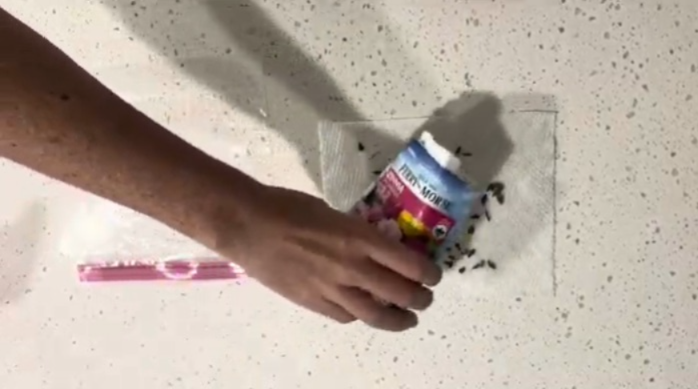
The paper-towel test is simple, and it saves me from staring at a bare tray wondering whether the seed or the setup is to blame.
Setting Up the Paper-Towel Test
I count ten seeds, spread them across a damp paper towel, and fold the towel so the seeds stay covered. It should feel moist throughout without dripping. Then I place it inside a plastic bag or covered container and label it with the crop, variety, and date. Labeling sounds unnecessary until three folded towels are sitting together and parsley, basil, and lettuce all look exactly the same from the outside
Reading the Germination Rate
Ten seeds make the result easy to understand. If eight sprout, that’s roughly 80 percent germination. Six gives about 60 percent. It’s only a small home test, so I don’t treat the number as exact, but it’s enough to show whether the packet is still strong, usable with some adjustment, or barely worth the space it occupies.
Temperature and Timing During the Test
The seeds need the right temperature during the test. Tomatoes, peppers, basil, and cucumbers generally need more warmth than lettuce or onions. I check the germination range on the packet and give the seeds that full window before deciding they’ve failed. Parsley is one reason I always write down the date since it can take long enough that I’d forget when the test started and get annoyed with it for no reason.
Checking and Adjusting the Test
I check the towel every few days. If it starts drying out, I add a little moisture. If it becomes soggy or water pools in the bag, I usually redo the test, since the conditions are no longer telling me much about the seed itself. A careless test can make a decent packet look worse than it is.
What Sprout Timing Tells You
I also pay attention to how the seeds emerge. Seven quick, sturdy sprouts give me more confidence than seven that appear one at a time over a long stretch. Both results may technically be 70 percent, but the second packet could produce a tray with seedlings at very different stages. I might accept that for lettuce or flowers, but I’m less interested in managing it with peppers I need ready for transplanting at roughly the same time.
These tests work best when I run them early enough to still replace anything that performs poorly.
What a Germination Test Result Actually Means for Planting
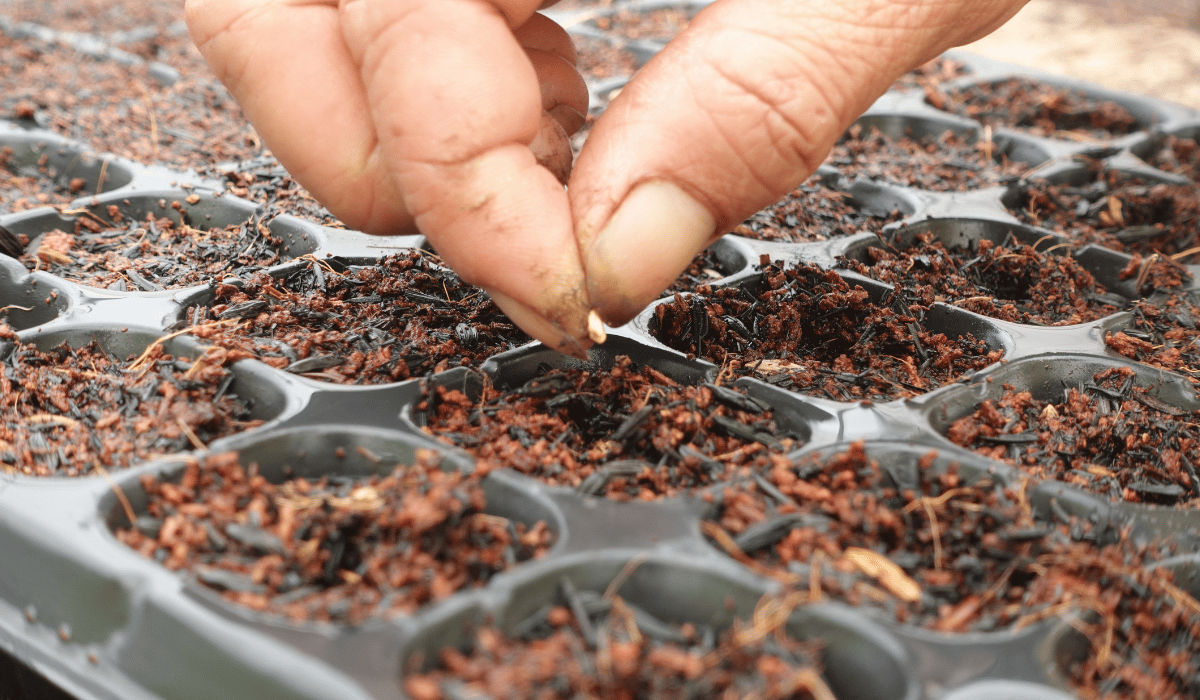
High Germination: 80–90 Percent
When eight or nine of the ten seeds germinate within the expected time, I use the packet much as I normally would. Outside, I may still add an extra seed in a few places because germination is only one part of getting a full row. Birds, rain, cold soil, and animals scratching where I planted can create losses even when the seed itself is fine.
Middle Ground: Around 60 Percent
Six out of ten takes more thought. I will use that result for lettuce, beans, peas, and many flowers if there is enough seed to sow a little heavier. I leave room to thin rather than planting so densely that every successful seedling becomes crowded. The same percentage can mean something different with tomatoes. If I need four plants and six seeds germinated, the packet may be enough. If I am trying to fill a long bean row for freezing, I may decide the extra seed and later replanting are more trouble than replacing the packet now.
Why Timing Can Matter More Than the Percentage
Timing can outweigh the percentage. A pepper packet that eventually reaches 60 percent after a slow, uneven test does not inspire much confidence in the main tray. An older zinnia packet with the same result can still give me flowers along a fence. I do not need every questionable packet to earn a place in the most important part of the garden.
Sometimes I plant the older seed beside the fresh seed instead of choosing one or the other. The current packet gets the main row or the best cells under the light, while the older packet goes into a second pot or an extra section where a thin stand will not disrupt anything. I use more leftover seed this way than I did when I either trusted the entire packet or threw it away
A Lesson About Mixed-Up Causes
I learned to be cautious with mixed causes after planting an older packet of beans before the soil had properly warmed. The row came up thin, and there was no clean way to know how much of the problem came from the seed and how much came from my impatience. I replanted after the soil warmed and got a much better stand. The original packet may still have been weak, but the weather had given it no help.
When I am already unsure about the storage, the age, and the germination test, buying another packet is usually easier than spending the first month of the season trying to diagnose all three
Why I Choose Ferry-Morse When a Seed Packet Fails
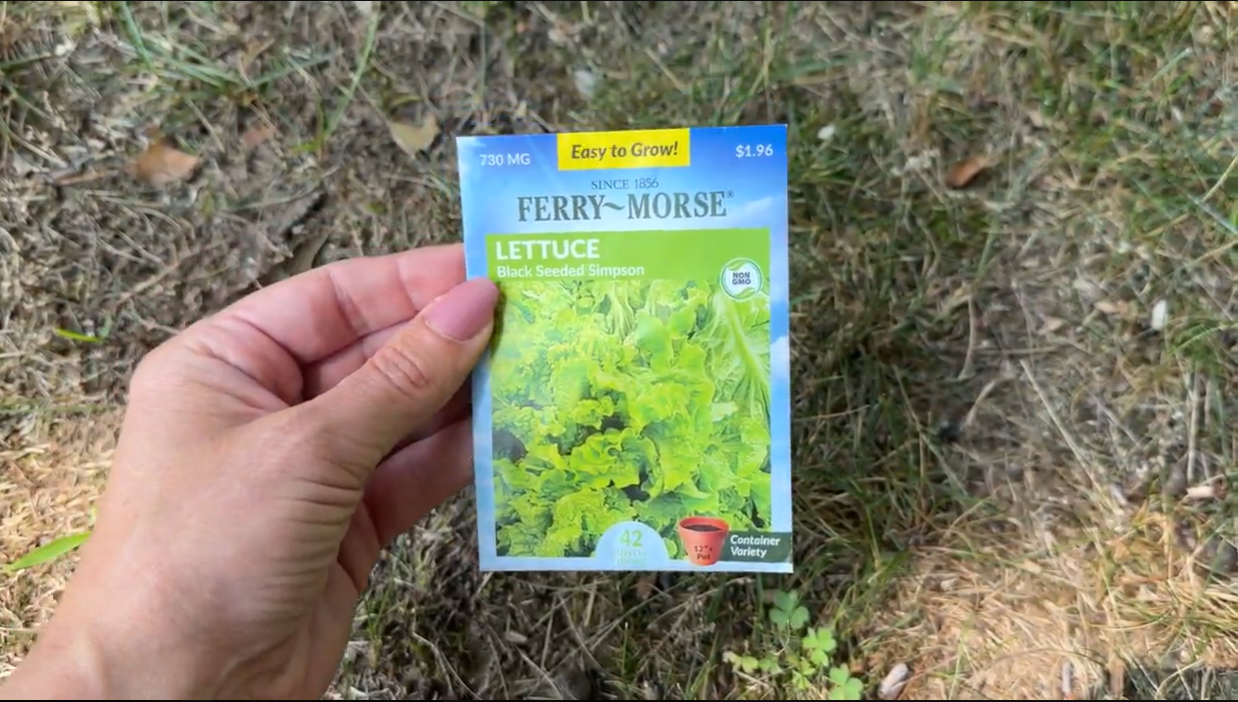
Most of the packets I replace are ordinary garden staples, and I usually discover the problem while planting is already underway. Maybe the marigold packet is empty when I thought it was half full, or an old basil envelope fails the test and I need another one without waiting several days for an online order.
Buying Seed the Same Day I Need It
That’s often when I end up looking at the Ferry-Morse rack while I’m buying potting mix, labels, or something else I forgot. For a familiar tomato, herb, flower, or vegetable, being able to read the current packet and take it home that day is genuinely useful. The company’s fresh seed guarantee also gives me more confidence than relying on the half-used packet I found in the bottom of the box.
What a Freshness Guarantee Does and Doesn’t Promise
I don’t read a freshness guarantee as a promise that every seed will germinate. I still have to give the packet the right temperature, moisture, timing, and planting depth. The real value is simpler: I’m no longer wondering how many hot summers or damp afternoons the seed has been through before it reaches the soil.
Troubleshooting Beyond the Seed Itself
If an older packet performed badly enough to make me question the whole setup, I may check the Ferry-Morse growing information before planting again. Sometimes the answer really is a new packet. Other times the soil needs more warmth, the light needs to sit closer, or I’ve been keeping the mix wetter than I realized. Catching both problems at once is more useful than repeating the same tray with fresh seed and hoping that fixes everything.
When I Choose a Different Seed Company Instead
I still buy from other companies when I’m looking for something more specific. Botanical Interests is useful when I want extra growing detail printed right on the packet, and Baker Creek is where I tend to browse when the unusual variety is part of the appeal. Neither is usually my first thought when I discover on planting day that the lettuce seed in my box is no good. For that kind of replacement, Ferry-Morse is easy to find, the varieties are familiar, and I can get back to planting before the trip turns into its own research project.
Sorting Seeds at the End of the Season: What Stays and What Goes
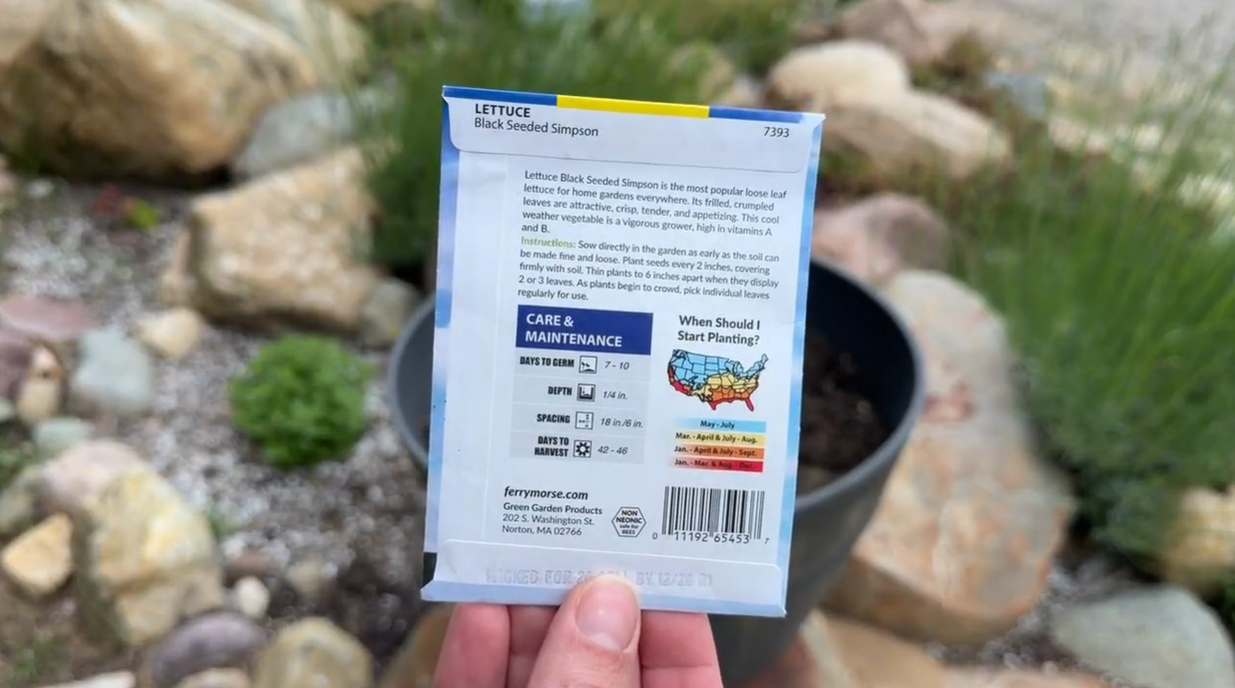
At the end of planting season, I throw away empty or damaged packets, write the year opened on anything worth keeping, and make sure everything is dry before it goes back into the container. I also keep a short list of what’s inside, though it’s never as current as I intend. Its main purpose is to remind me that I already have plenty of basil seed before I buy another packet.
Before the next season, I pull out the packets that worry me most and test them while there’s still time to buy replacements.
There are still more old packets in the box than I probably need, and I doubt that will ever fully change. Some are there because I know they have another season left. Others have stayed because I haven’t decided whether they’re worth testing. At least now I have a process to justify their existence.
Anything that’s been damp, stored badly, or producing weaker results every year finally leaves the box. I’d rather make that decision in winter than spend another spring checking bare soil and hoping patience is somehow going to improve the packet.