
- Best Seeds for Flower Gardens Featuring Sunflowers - November 12, 2026
- Ferry Morse vs Back to the Roots: A Seed-to-Seed ComparisonFerry-Morse vs Back to the Roots: A Seed-to-Seed Comparison - September 25, 2026
- Old Seeds vs Fresh Seeds: How Long Do Garden Seeds Really Last? - August 5, 2026
Sunflowers (Helianthus annuus) are called happy, cheerful flowers. Perhaps it’s because young plants are heliotropic, with sunflower buds tracking the sun from east to west during the day. Once mature, they remain facing east, greeting the sun in the early morning and attracting bees.
They bring height, color, and character to flower gardens with a choice of towering giants, compact container plants, and unusual blooms to brighten a vase. With varieties ranging from classic golden-yellow to rich burgundy, bronze, and multicolored blooms, there are sunflower varieties to suit every flower garden.
If you’d like to feature sunflowers in your garden, and you don’t know much about these gorgeous, captivating flowers, dig in with us to discover more. Prepare to be surprised. There’s so much choice when it comes to sourcing the best sunflower seeds, it can be mind-boggling.
Once you have decided why you want to plant sunflowers, the most important question is obvious. Which are the best sunflower seeds for your garden?
Do Sunflowers Deserve a Place in Your Garden?
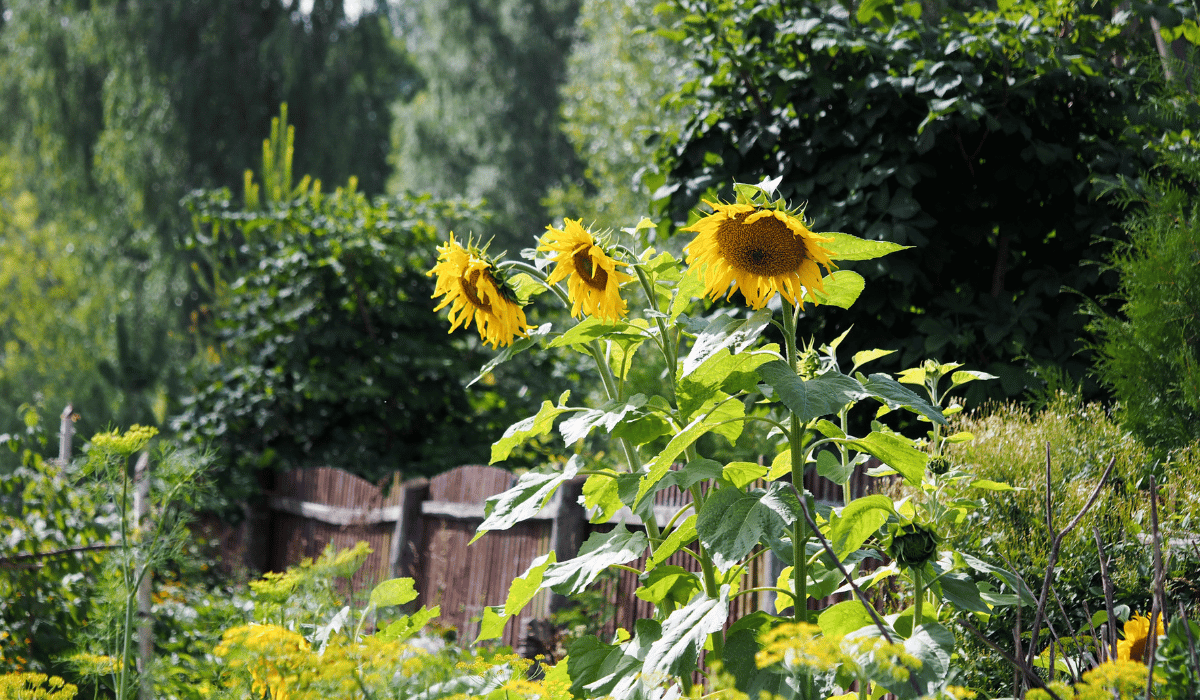
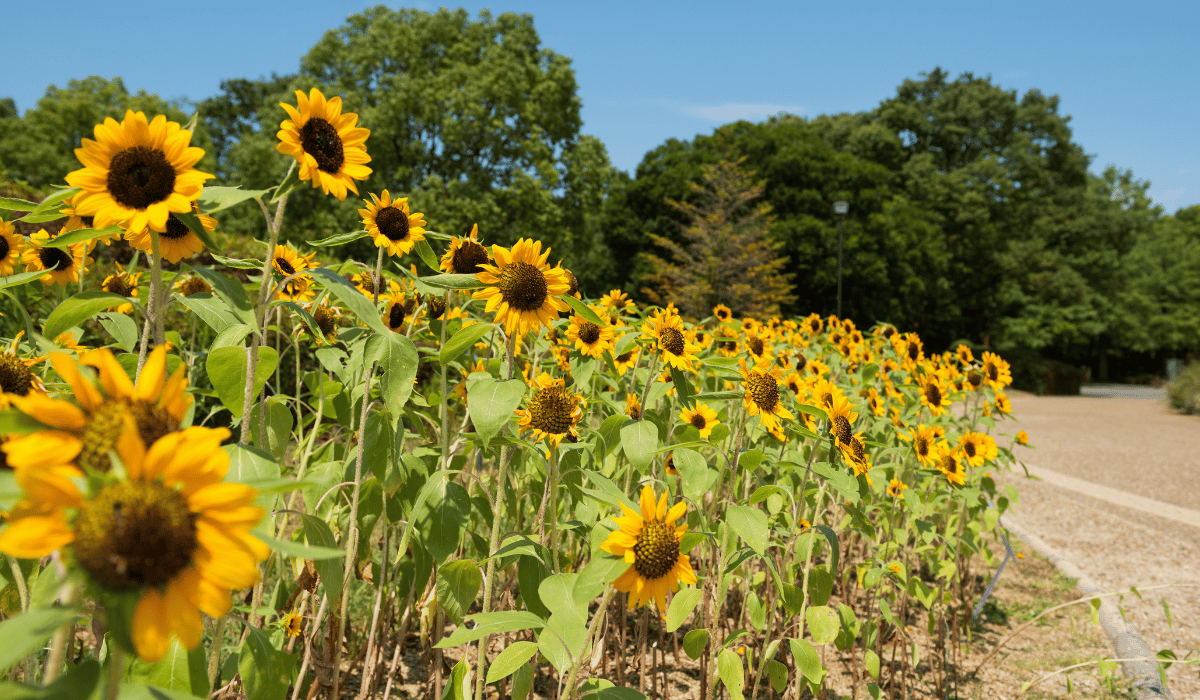
Sunflowers are available in an impressive range of sizes, colors, and flower forms, making them suitable for everything from informal cottage gardens to dedicated cutting gardens.
Depending on the variety, sunflowers:
- Create a dramatic focal point with towering stems and oversized flower heads.
- Add color with anything from vibrant red sunflowers to pure white sunflowers.
- Provide a chance to grow cut flowers for indoor arrangements.
- Attract bees and other pollinators when flowers produce pollen and nectar.
- Produce seeds that provide food for birds and, in suitable varieties, people.
- Improve soil health by reducing soil compaction as their big taproots push deep and reach water and many nutrients.
- May control weeds because they are allelopathic and exude toxins that prevent many other plants, including weeds, from growing.
Before you decide, you need to know that sunflowers are annuals. They complete their lifecycle in one growing season, so you’ll need to plant more seeds next year. Also, most grow best in the sun (surprise, surprise) with well-drained soil. Choosing a variety suited to your available space and intended use will help you get the most from your seeds, because seeds are not born (or sprouted) equal!
Sunflower Standouts at a Glance
| Best For | Ideal Variety | Flower Type and Growth Habit | Colors | Standout Features |
| Giant blooms | American Giant | Single flowered; branching | Bright golden-yellow | Dramatic height and large blooms that create a focal point |
| Small gardens and containers | Teddy Bear | Double flowered; branching | Bright golden-yellow | Compact growth and pretty, fluffy blooms |
| Deep, dramatic color | Chocolate Cherry | Single flowered; branching | Burgundy, reddish-brown | Rich, dark-colored petals that contrast with brighter flowers |
| Multicolored displays | Autumn Beauty | Single flowered; branching | Yellow, bronze, red, and orange | Mix of warm shades with different colors appearing on individual plants |
| Unusual flower forms | SunFill Green | Single flowered; single stem | Pale green | Full, fluffy flower heads with multiple layers of petals |
| Cut flowers | Taiyo | Single flowered; single stem | Golden yellow with a dark brown center | Large, classic blooms on strong, non-branching stems |
| Pollinator gardens | Lemon Queen | Single flowered; branching | Pale lemon yellow with a darker center | Pollen-producing flowers that attract bees and other pollinators |
| Seed-harvesting opportunities | Mammoth Grey Stripe | Single flowered; branching or single stem, depending on seed strain | Golden yellow with a dark center | Large flower heads filled with edible, gray-striped seeds |
| Bird feeding | Titan | Single flowered; single stem | Golden yellow with a dark center | Mature flower head that can be left on plants for birds to feed on |
| Pollen free | Summertime Mix | Single flowered; both branching and single stem | Various | 100% pollen-free hybrid seed mix |
Choosing the Best Sunflower Seeds for Your Garden
Here, we’ll highlight 10 sunflower possibilities to suit different garden sizes and purposes. We’ve chosen an ideal variety for each category along with three suggestions of where to buy each of the options (presented in alphabetical order).
For Giant Blooms
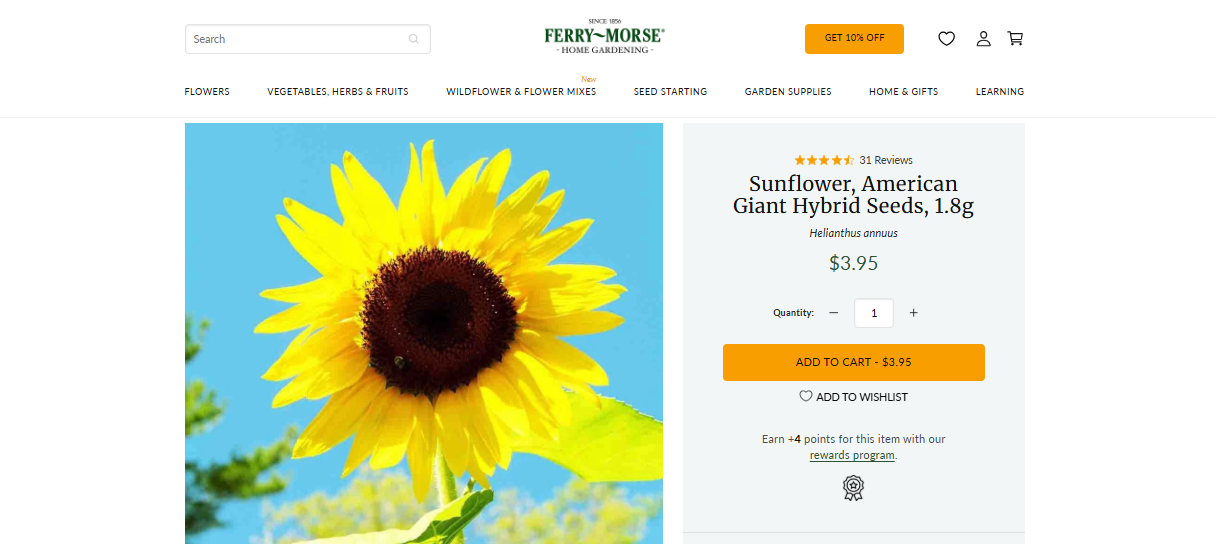
If you want sunflowers that tower dramatically above the rest of your garden, giant varieties are the obvious choice. Apart from height, they have amazingly large flower heads that develop seed-filled centers as the flowers mature.
As an example, American Giant sunflower seeds from Ferry-Morse reach up to 12–16 feet. A single-flower type and branching variety, these seeds produce large, bright golden-yellow, multi-headed flowers.
These giant sunflowers need plenty of sunshine, room for their roots, and adequate support, especially in exposed positions. Be sure to take their eventual height into account so they won’t shade smaller plants.
Top Choice: American Giant
Where to Buy: Burpee, Ferry-Morse, Land O’ Giants
For Small Gardens and Containers
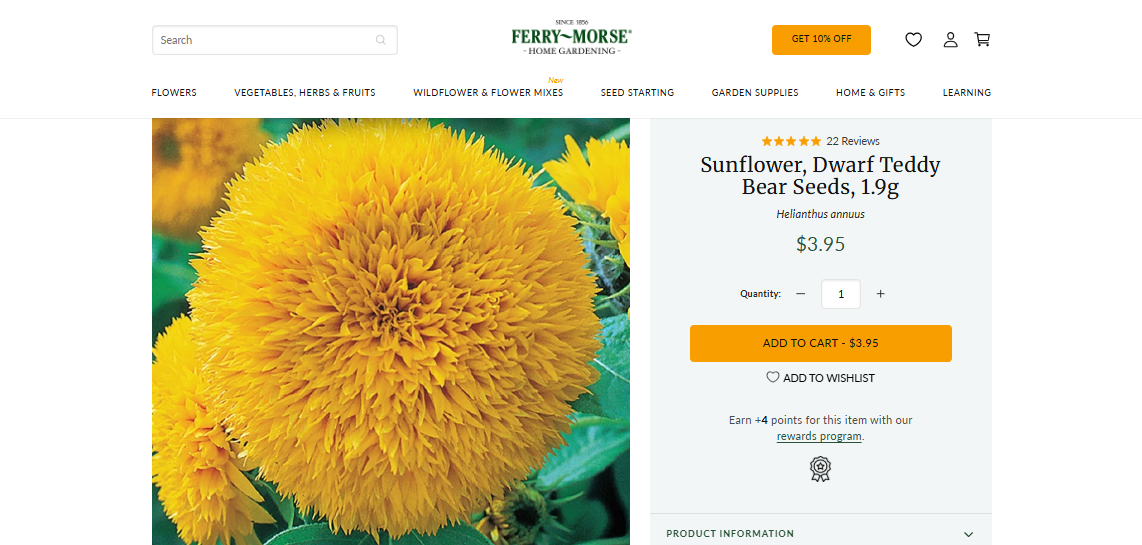
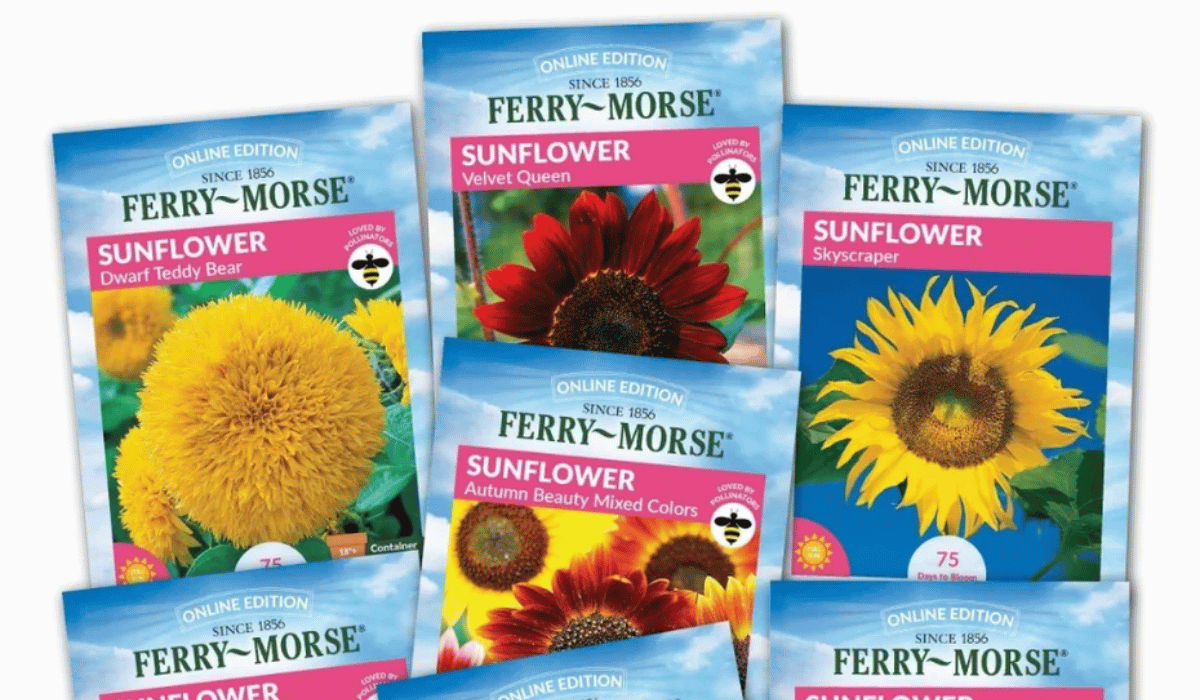
You don’t need a large garden to enjoy sunflowers. Compact varieties are ideal for smaller flower beds, patio containers, and borders where taller plants might overwhelm their neighbors. Dwarf Teddy Bear is a particularly appealing option for these scenarios. These seeds produce gorgeous fluffy, double golden-yellow blooms that look completely different from traditional single-flowered sunflowers. They are also pollinator friendly.
If you want to grow your dwarf sunflower in a container, make sure there’s enough room for its roots to grow. Good drainage is also important. Also, position the pot where the plant gets plenty of sunlight. Teddy Bear varieties differ, so check the mature size of the variety you choose before planting. Even dwarf sunflowers need enough space to develop properly.
Top Choice: Teddy Bear
Where to Buy: Ferry-Morse, Hudson Valley Seed Co., Johnny’s Selected Seeds
For Deep, Dramatic Color
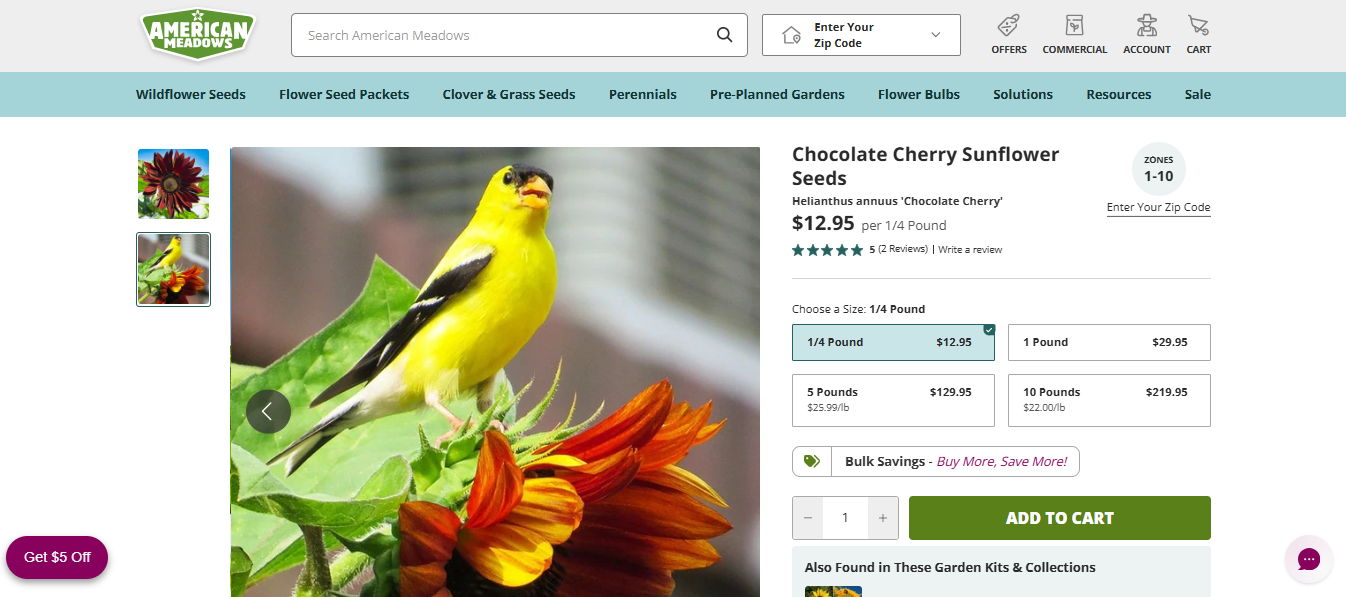
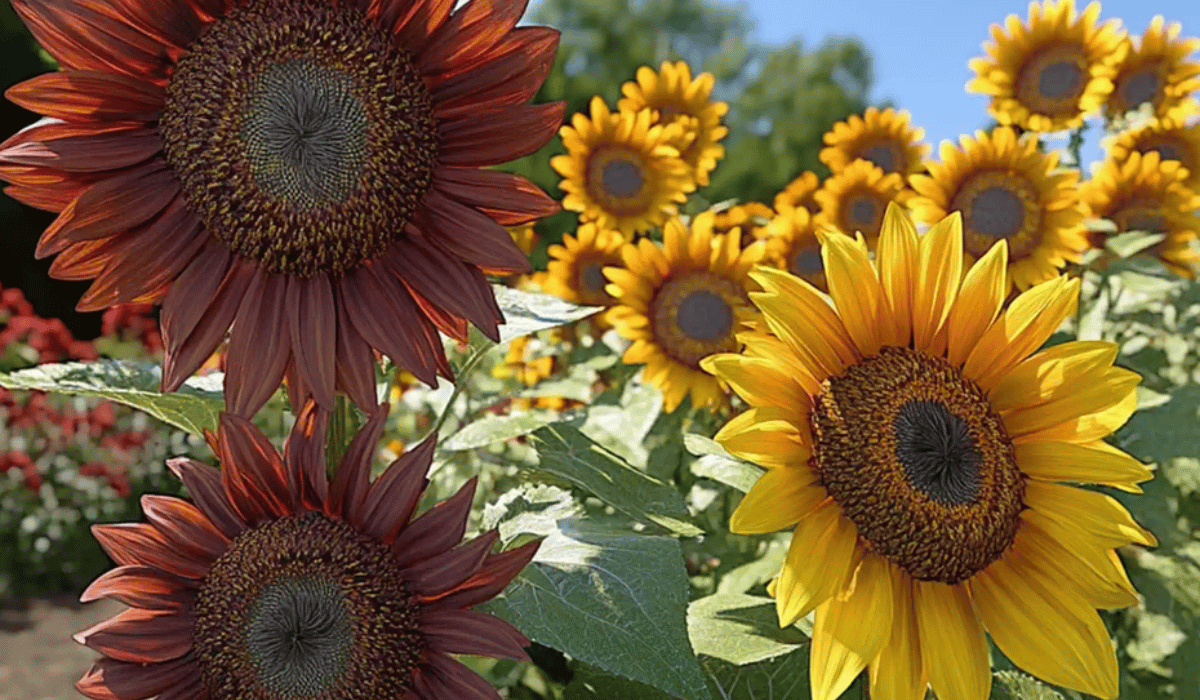
Sunflowers aren’t always bright yellow or orange. Varieties with dark red, burgundy, or reddish-brown petals will introduce incredibly rich tones to your garden. Chocolate Cherry is a great example, with its deep, velvety-looking blooms providing a striking contrast to lighter flowers.
I love the idea of planting them alongside lighter-hued flowers to make their colors stand out. They can also add depth to any garden and will bring variety to cut-flower bouquets beyond the familiar golden-yellow sunflower. Better still, they are low-pollen seeds.
Ferry-Morse produces branded Chocolate Cherry seeds that are available as part of a 50/50 seed mix in their Sunsational Sunflower Bulk Flowers Seeds. Individual packets are available from Instacart, Lowe’s, and Walmart.
Top Choice: Chocolate Cherry
Where to Buy: American Meadows, Holmes Seed Company, Victory Seed Company
For Multicolored Displays
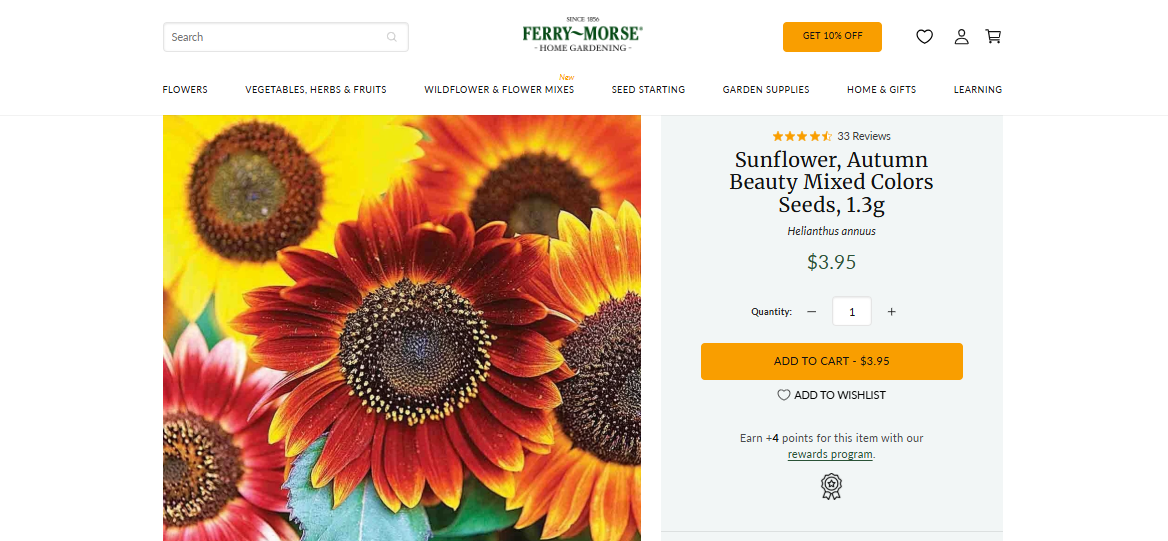
If you prefer a varied display rather than a garden dominated by one color, look for sunflower varieties that produce blooms in several shades. Autumn Beauty has a warm palette of yellow, bronze, orange, and reddish tones. This makes it a natural choice for those who enjoy a more varied planting scheme.
These sunflowers work well in informal borders and cottage-style gardens. Plant them in groups, or combine them with ornamental grasses and annuals. Remember that the actual mix of colors in any seed packet can vary.
Top Choice: Autumn Beauty
Where to Buy: Ferry-Morse, Johnny’s Selected Seeds, Victory Seed Company
For Unusual Flower Forms
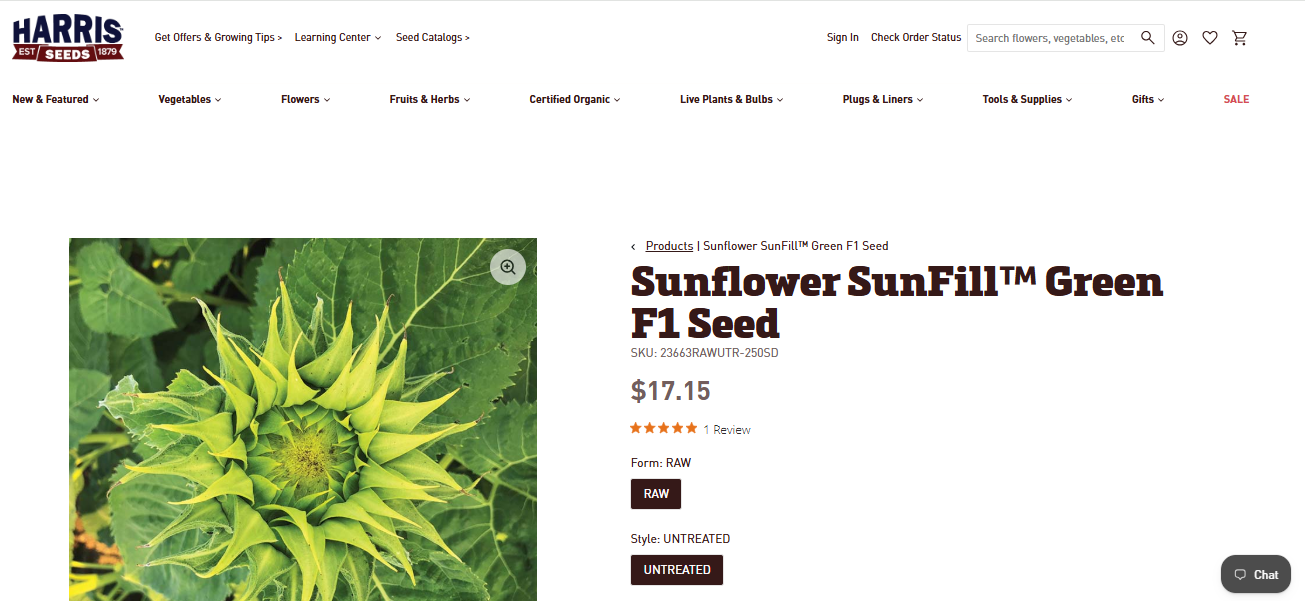
Traditional sunflowers have a central disc surrounded by a single ring of petals. Double-flowered sunflowers produce multiple layers of petals, creating a softer, fluffier appearance. But we’ve singled out a unique green sunflower, SunFill Green, created by the King of Sunflowers, plant breeder Dr. Tom Heaton.
These unusual flowers have very few, incredibly small petals and a green center. The sepals around the petals form the calyx and cover the face of the flower at harvest. They create a stunning display at the back of garden beds and do well alongside fences and walls that protect them from the wind. Pollen-free, they grow on a single stem and are recommended for cutting.
Top Choice: SunFill Green
Where to Buy: Burpee, Harris Seeds, Johnny’s Selected Seeds
For Cut Flowers
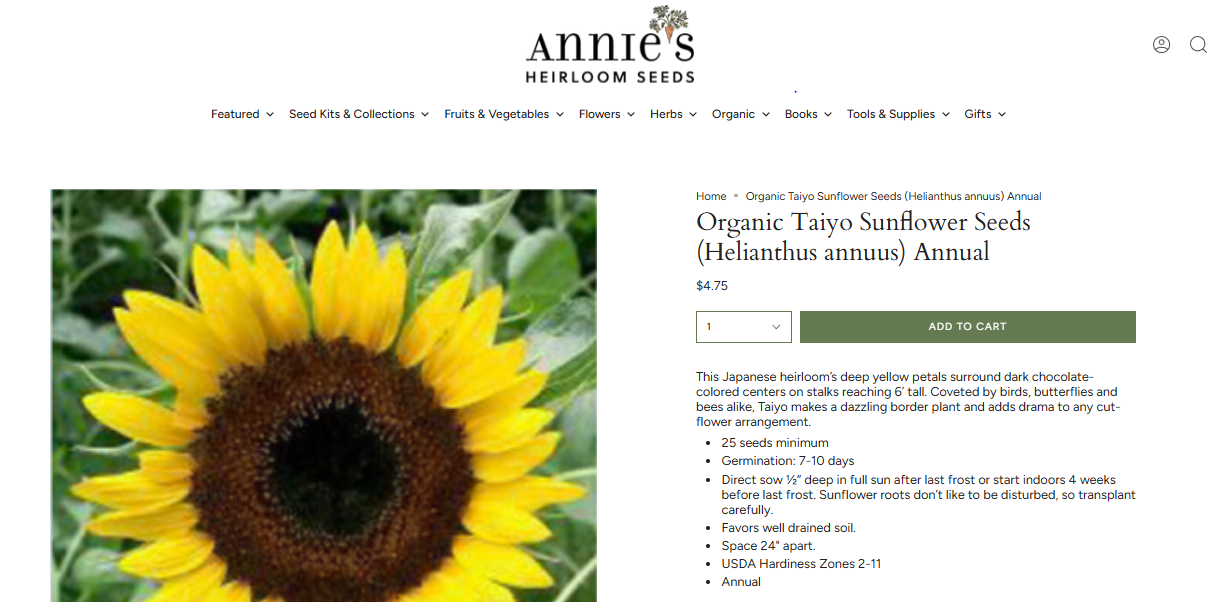
Growing sunflowers for cutting allows you to bring their bright colors indoors throughout the flowering season. When choosing seeds, consider stem strength, flower size, vase life, and whether the plant produces one main bloom or several flowers on branching stems.
Taiyo is a traditional heirloom sunflower variety of Japanese origin. It has golden-yellow petals and a prominent chocolate-brown center. Its classic appearance makes it suitable for cheerful summer arrangements. Branching varieties can provide several flowers per plant, while single-stem types generally produce one principal bloom.
For an ongoing supply of fresh flowers, sow seeds in succession at intervals depending on the variety and your growing season. Cut flowers when the petals begin to open, and put the stems in clean water as soon as possible.
Top Choice: Taiyo
Where to Buy: Annie’s Heirloom Seeds, Eden Brothers, Holmes Seed Company
For Pollinator Gardens
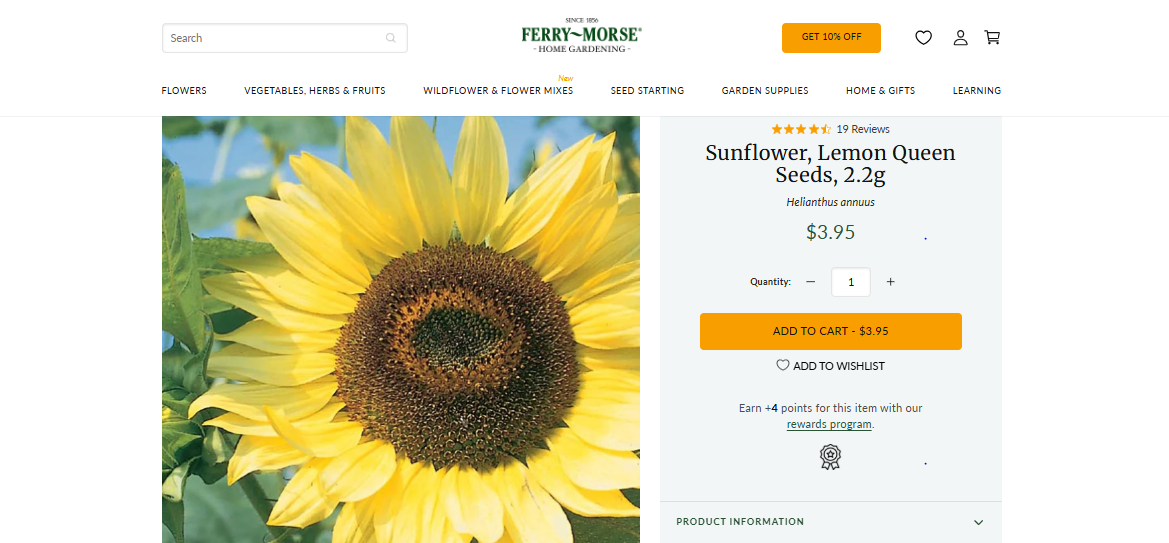
Sunflowers can provide valuable food for bees and other pollinators, especially when their central discs contain accessible, pollen-producing florets. Lemon Queen is a useful option for a pollinator-friendly garden, with its pale lemon-yellow flowers and pollen-producing centers.
Plant sunflowers in a sunny position where visiting insects can easily reach the blooms. Growing several varieties with different flowering times can also help extend the period when your garden offers floral resources.
If attracting bees is a priority, check the seed packet or supplier’s description to confirm that the variety produces pollen. Pollen-free sunflowers may be attractive ornamentals, but they don’t provide the same pollen resource as pollen-producing varieties.
Top Choice: Lemon Queen
Where to Buy: Burpee, Ferry-Morse, Victory Seed Company
For Seed-Harvesting Opportunities
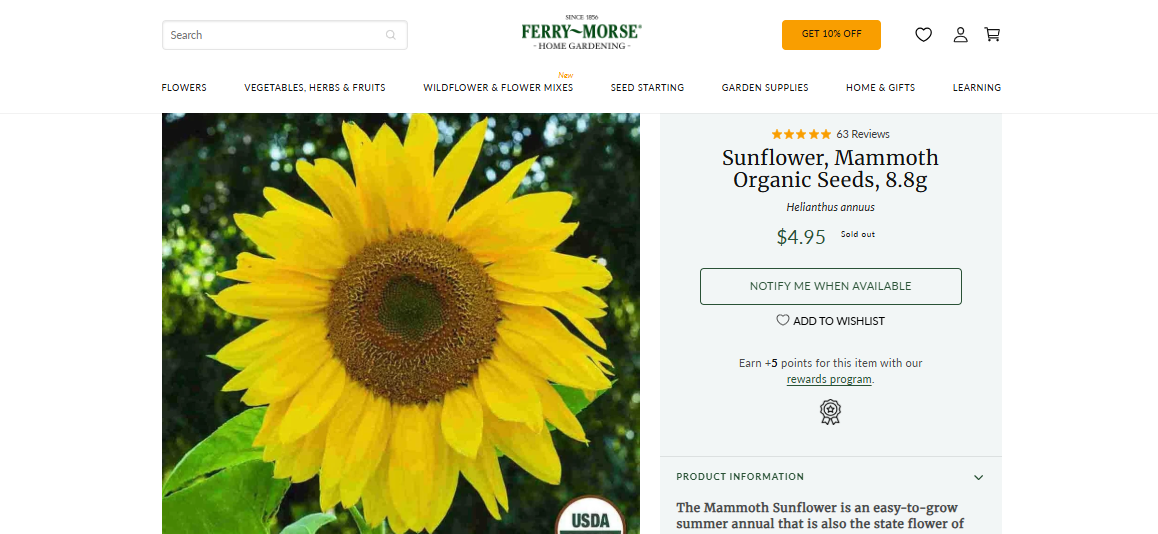
If you want to harvest sunflower seeds for eating, Mammoth Grey Stripe is an excellent option. It’s a giant variety that produces large heads with human-edible grey-striped seeds. Leave seeds to mature on the plants until the backs turn yellow or brown and the seeds develop fully. Protect them from birds if you intend to harvest the seeds yourself, and dry them properly before storing.
Although edible, not all these seeds are intended for the same purpose. For instance, some are treated with chemical fungicides or pesticides. Check the seed packet to ensure the seeds will be edible.
Top Choice: Mammoth Grey Stripe
Where to Buy: Baker Creek Heirloom Seeds, Eden Brothers, Ferry-Morse
For Bird Feeding
Sunflowers can provide a natural, nutritious food source for seed-eating birds, especially toward the end of the growing season. Rather than cutting every flower as soon as it fades, leave some heads on the plants for visiting birds.
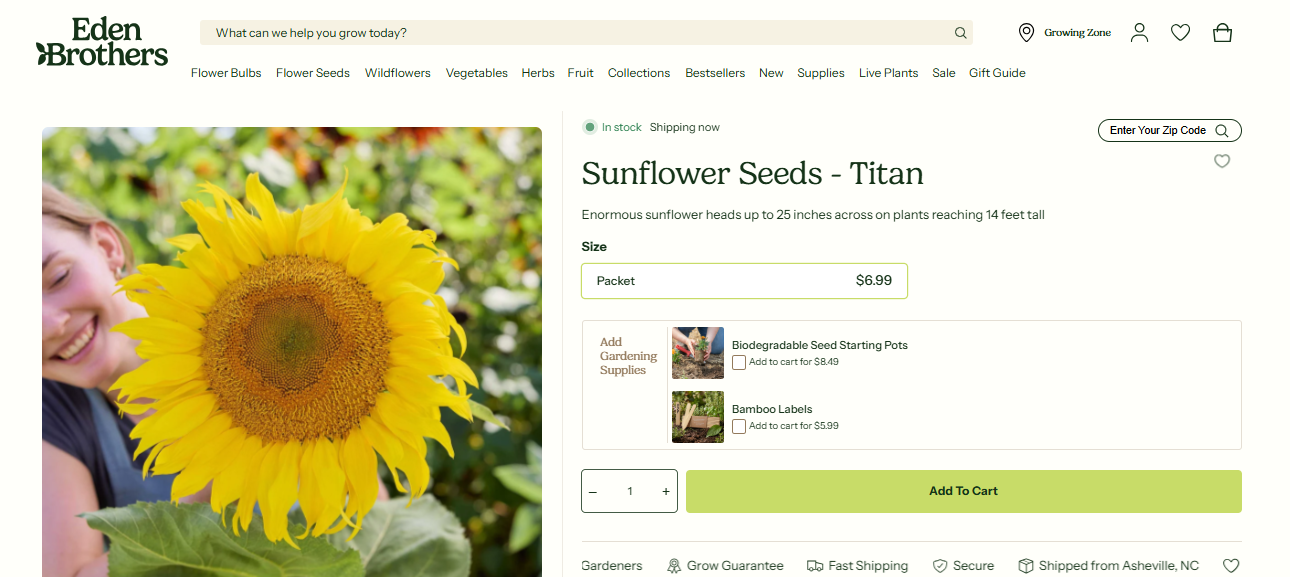
Titan, a giant variety, may be a good choice because of its large seeds. However, check its availability from a home-garden seed supplier before recommending it. Large, mature flower heads can produce plenty of seeds, but the number of birds they attract depends on local species and the food already available.
If you want to collect seeds for bird feeders, let the heads dry before harvesting them. Store the seeds in a dry place and offer them in suitable feeders, or leave the mature heads attached to the plants for birds to visit naturally.
Top Choice: Titan
Where to Buy: Annie’s Heirloom Seeds, Baker Creek Heirloom Seeds, Eden Brothers
For Pollen Free
Traditional and heirloom sunflowers have pollen. But some hybrid varieties bred for the cut-flower market are pollen free and cultivated for uniformity, stem quality, and vase life.
Summertime Mix is a pollen-free sunflower variety that features a mix of single and branching types. It’s also a great option for adding cheerful color to any garden. The exact color mix varies and might include lemon-yellow, gold, creamy-white, brown, bronze, pink, and crimson flowers.
If your main goal is to attract pollen-collecting bees, choose pollen-producing sunflower varieties. However, the good news is you can grow both types in the same garden to enjoy cut flowers while still providing resources for pollinators.
A few seed companies produce their own Summertime Mix F1 (first-generation) sunflower seeds, including Ferry-Morse, Livingstone Seed, and King’s Seeds. Several other companies produce Summertime Formula Mix seeds. Suppliers named here sell F1 seeds.
Top Choice: Summertime Mix
Where to Buy: Ferry-Morse, King’s Seeds, Blain’s Farm & Fleet (for Livingston Seeds)
Deciding on Your Best Choice
Ultimately, choosing the best sunflower seeds for flower gardens depends on multiple factors. What matters most is the space available, the look you want to achieve, and how you plan to use the flowers. Some varieties produce a single, dramatic bloom, while branching types offer multiple flowers over a longer period. Others are bred specifically for cutting, with pollen-free blooms that last well in a vase. At the same time, you can ignore garden design and simply plant sunflowers for color and effect.
Choose a variety that appeals to you and check out reputable suppliers to ensure they offer exactly what you’re looking for. Then you can look forward to sunflower-filled days ahead.