
- Best Pepper Seeds for Home Gardens - October 13, 2026
- Ferry Morse vs Back to the Roots: A Seed-to-Seed ComparisonFerry-Morse vs Back to the Roots: A Seed-to-Seed Comparison - September 25, 2026
- Old Seeds vs Fresh Seeds: How Long Do Garden Seeds Really Last? - August 5, 2026
With five domesticated species in the genus Capsicum and 22 wild cultivars, an estimated 5,000 or more pepper varietals are available. For new gardeners or anyone new to growing peppers, this number could cause a freeze response: How do you decide what to grow?
Naturally, start with tried-and-true advice from someone with pepper-growing experience who can help you avoid common pitfalls. Join me for a closer look at some of the best pepper seeds for the home gardener.
Know Thyself
To get started, it helps to take a hard look at yourself: your level of commitment to gardening, your preferences (e.g., sweet vs. hot), your geographical location, your growing space, and how many types of plants you want to cultivate.
Level of Commitment
How you approach selecting which peppers to grow directly correlates with how much energy you want to put in. Some plants take a long time to germinate, are temperature sensitive, aren’t big producers, and/or mature slowly. So, are you the type to get heat mats, start plants indoors, and transplant when conditions allow, or are you the plug-in-and-go type? No judgment either way; it just helps to be clear at the outset so you don’t get in over your head.
Preferences
Some like it hot, others, not so much. There are those who delight in the mind-altering experience of searingly hot peppers, gobbling down Scotch bonnets, ghosts, and habaneros for breakfast. Other people simply think of spicy food and their eyes water, their palms sweat, and they think to themselves, “Why would anyone want to weaponize their lunch?” Which camp do you fall into? It matters when selecting your plants.
Geographical Location
Where you live plays a vital role in your growing season and whether your plants will have time to fully mature. With this in mind, it pays to know your zone and have sufficient knowledge. Ask yourself: Does my environment allow for the plants I want to grow to do their thing? For example, I live at the Southern gateway to the Pacific Northwest, so my zone is 9a: My winters are mild and my summers are hot, so I know plants like citrus trees and Mediterranean herbs will thrive, while plants that require cooler temperatures may not. For a way to easily check your zone, visit the USDA plant hardiness zone map.
Growing Space
Do you have ample room to play around with, or are you growing a few plants in containers on your porch? How much room you have dictates what plants might be the best option for you . . . which brings us to our final consideration.
How Many Types?
Do you have a favorite pepper and want to grow only that type, or do you have a varied palate and desire different colors, shapes, and textures to add interest to your plate? With the wide variety of peppers available, there’s something for everyone.
Spicing It Up (Sometimes)
For me, variety is the spice of life, and I like to keep things spicy. I also very much enjoy a colorful plate, so having plants that produce different colors of fruit is appealing to me.
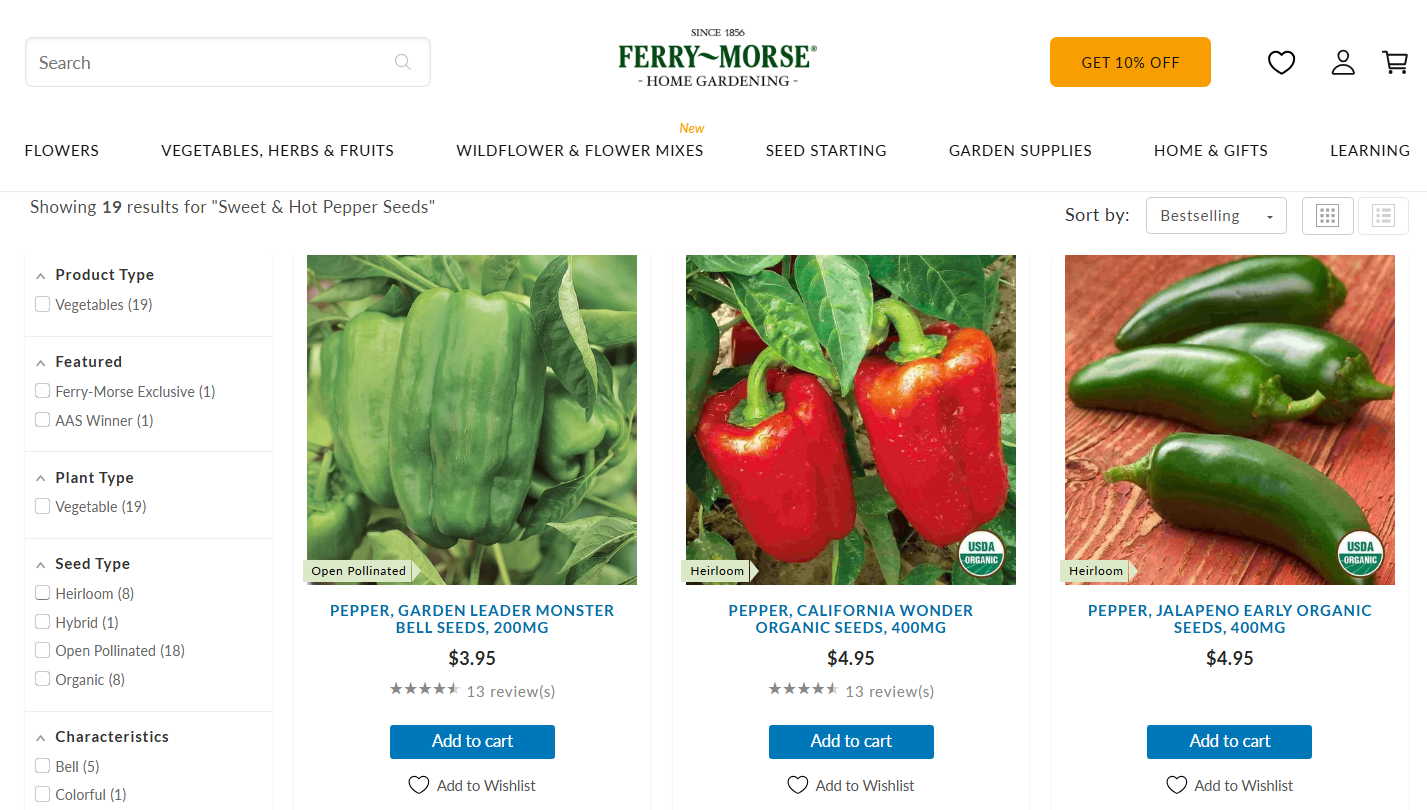
Another consideration is that I prefer non-GMO, affordable, and readily available seeds (no matter where you live), so I often choose Ferry-Morse as my retailer. Their website is a good place to find additional information and more detailed growing instructions, but their packets have instructions on them, too!
With those parameters in mind, I decided to focus on six peppers: California Wonder, Banana, Hungarian Wax, Jalapeño, Cayenne, and Habanero. Note that I’m listing them from mild to hot, and I’m including their Scoville Heat Units (SHU), so there should be no spicy surprises.
California Wonder (Sweet Bell Pepper)
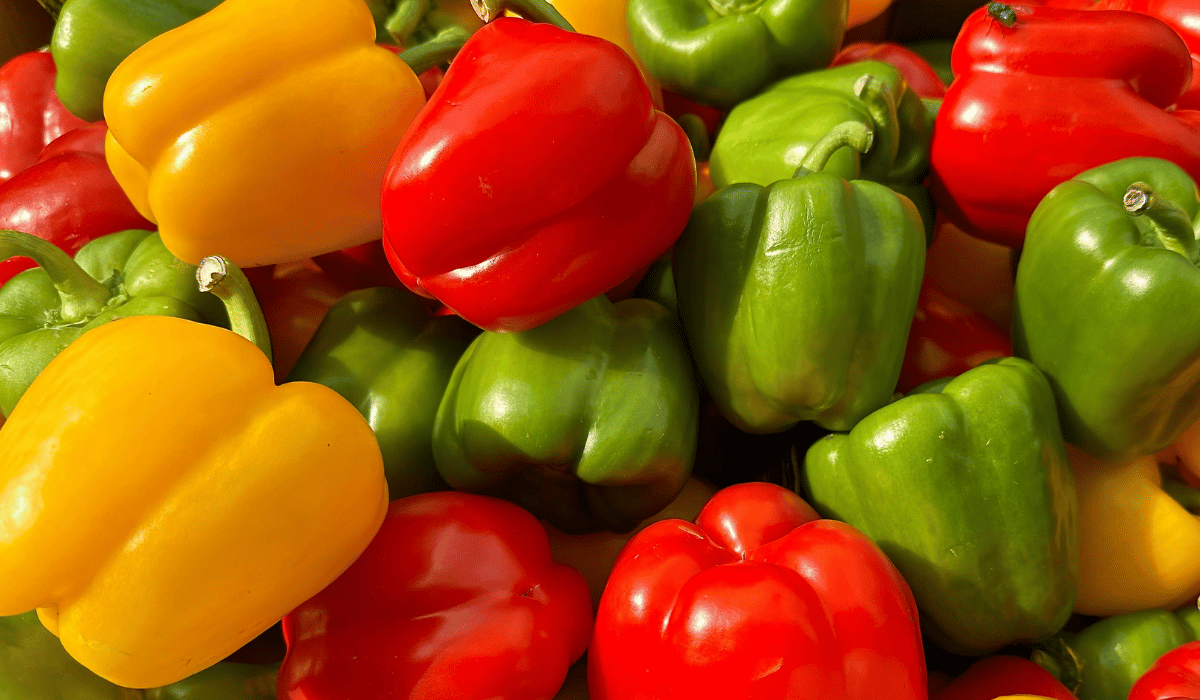
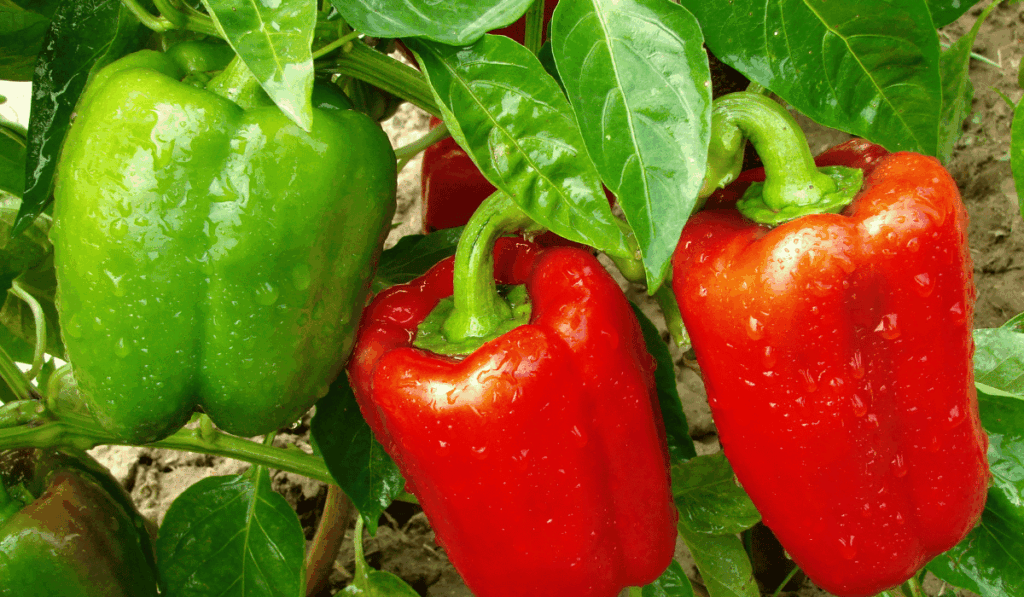
This delicious beauty has an SHU of 0. It is a classic thick-walled pepper with zero heat that’s great for salads, stir-fries, pizzas, sandwiches, stuffing, or soups. It’s high in vitamins A and C and is a beginner-friendly pepper to grow. You can harvest them as early as 65 days, as they are already sweet when still green, but their flavor deepens if you let them mature to a dark red. They love heat and full sun; need regular, even watering; should be spaced 18–24 inches apart; and may require bracing because the fruit can become too heavy for the plant to support.
Banana (Sweet Pepper)
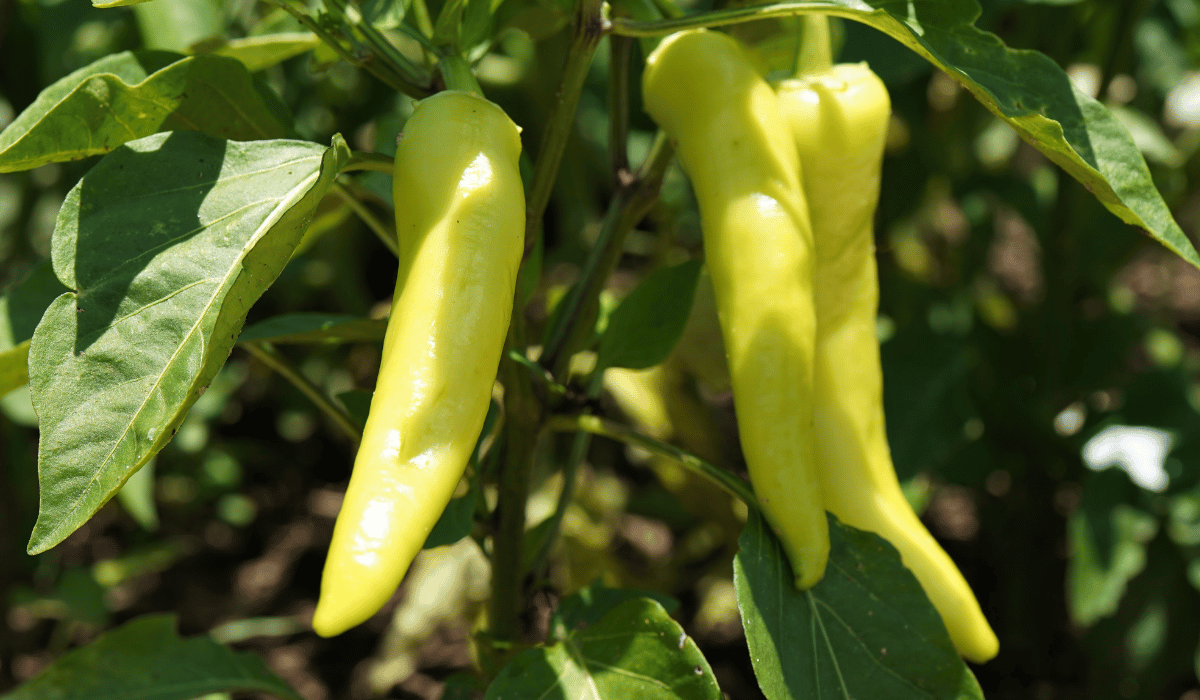
These crowd pleasers have an SHU of 0–500, meaning they have virtually no spiciness. You can eat them at any size, but they’re best when six to seven inches long and light yellow in color. They’re considered very easy to grow. They love full sun; want rich, well-draining soil; and need even watering. Plus, they’re a good option for small spaces because they are big producers. The longer you leave them on the plant, the darker orange-to-red they become, and the sweeter they get. Harvesting often stimulates more production.
Hungarian Wax
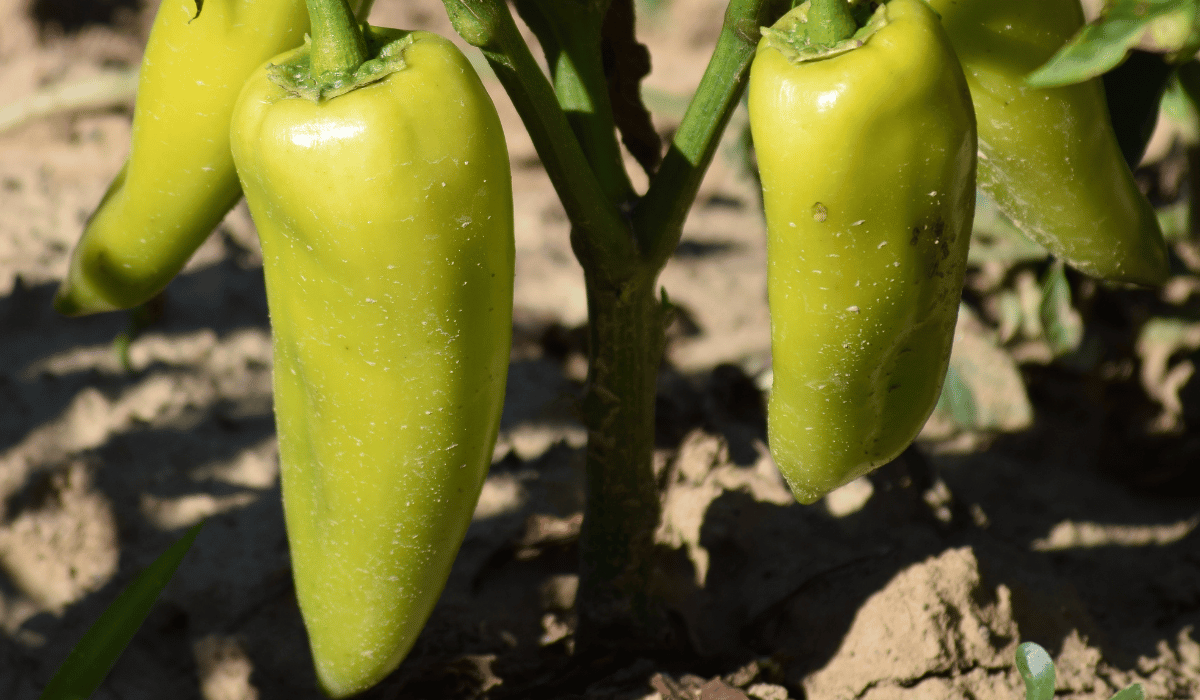
These grower-friendly, high-yielding yellow peppers have an SHU of 1,000–15,000, so they definitely begin to bring the heat. They are cold- and short-season tolerant and respond well to growing in containers. They want full sun; fertile, well-drained soil; mulch; and consistent watering, allowing the top couple of inches to dry out between waterings. Pick them when they’re light yellow or green for milder peppers, or allow them to ripen to orange or crimson red for sweeter, spicier peppers. They’re great for pickling, salads, frying, and roasting.
Jalapeño
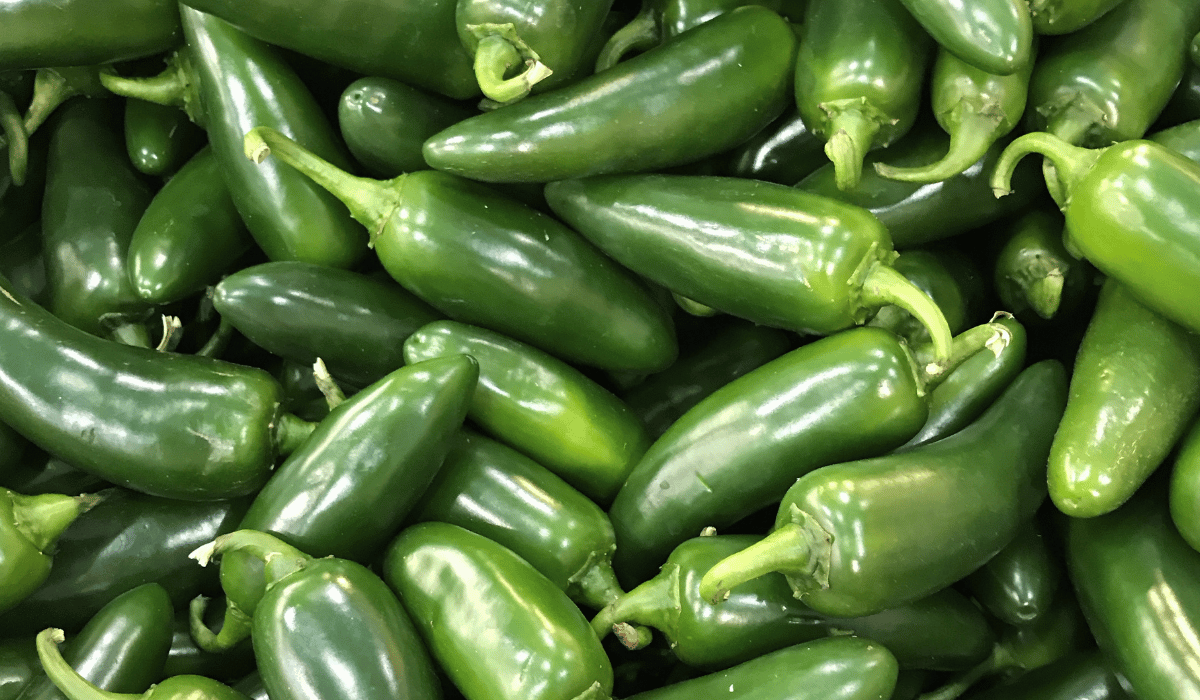
These gloriously simple-to-grow, productive, and delicious peppers have an SHU of 2,500–8,000, so their spice makes you take notice, and incidentally, their heat can linger longer than other peppers—even ones with a higher SHU. Ferry-Morse offers both an early jalapeño and a mild one, so you can choose your own adventure here. Jalapeños like full sun; loose, rich, well-draining soil; regular water, but with care given not to waterlog them; and 12–18 inches of space. If you choose to plant them in containers, plant one per five-gallon pot. You can harvest them when they’re green, but they will mature to a beautiful red if given the time. They’re great for pickling and Tex-Mex dishes.
Cayenne
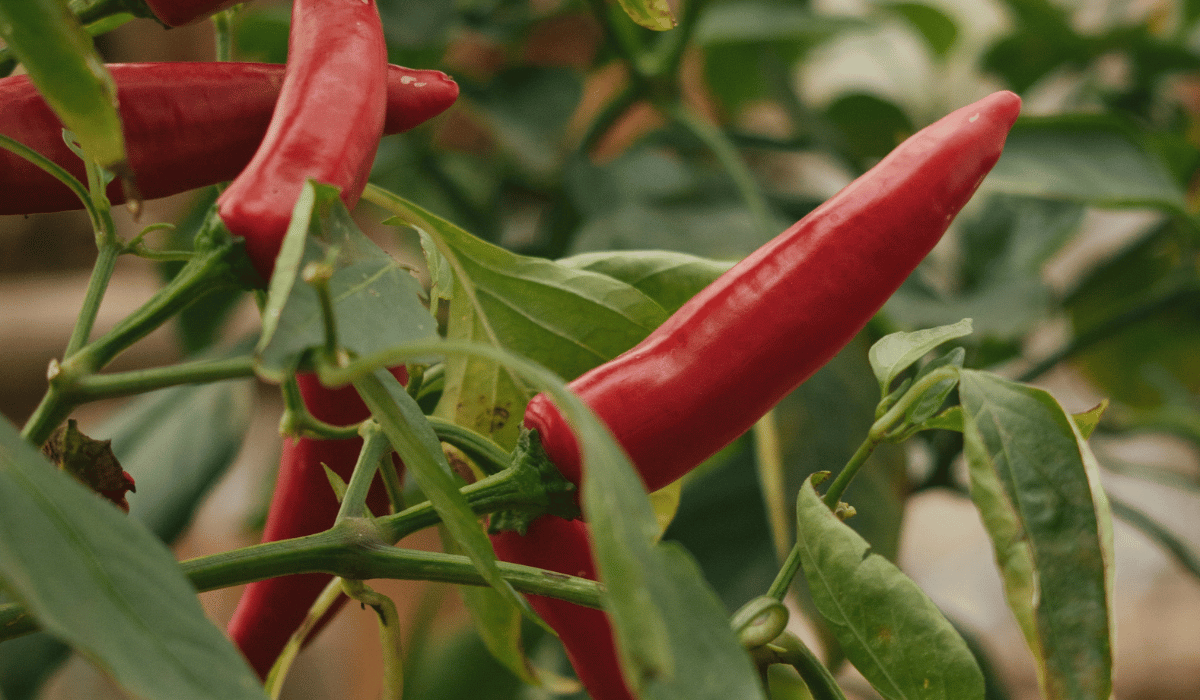
Another beginner favorite, these spicy beauties rank 30,000–50,000 SHU, taking the flame to the next level. Cayennes love sun; loose, well-draining soil; and steady watering, but avoid soaking or overdrying. They do well in containers, but they may need bracing to support the fruit. Harvest when they’ve reddened and are four to six inches long. They’re ideal for drying and add great flavor and heat to any dish.
Habanero
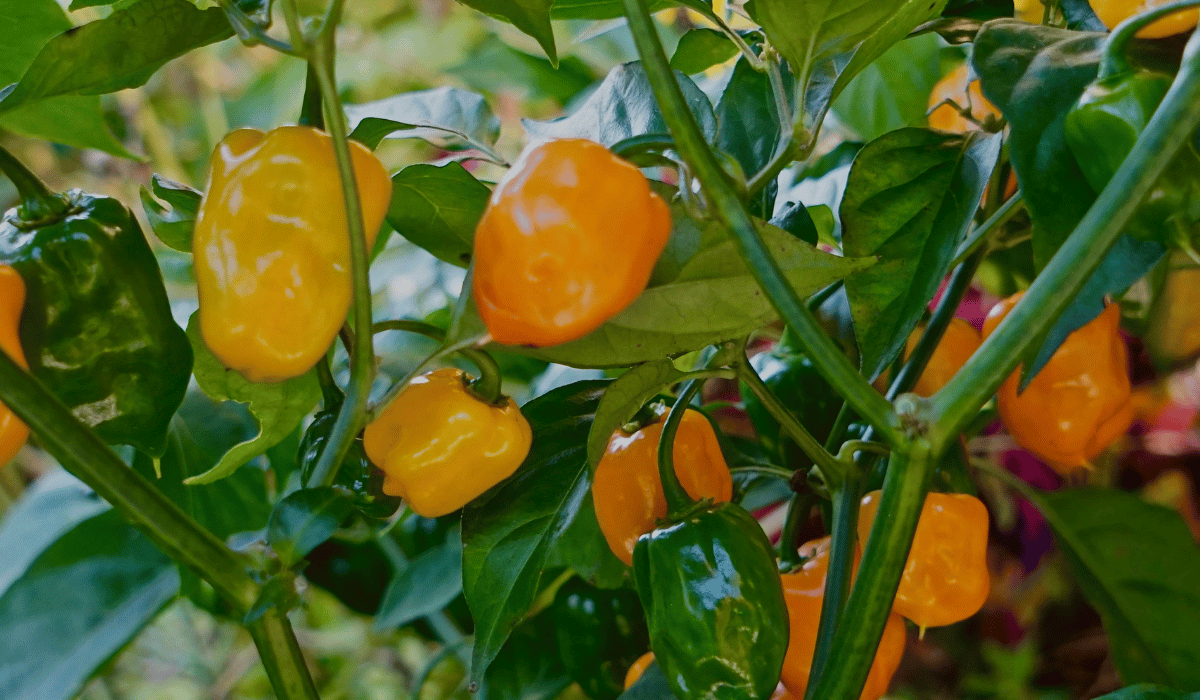
This wrinkly orange stunner clocks in at a whopping 100,000–350,000 SHU and is not for the faint of heart. Extraordinarily flavorful, as well as spicy, this plant does require a bit more care than others on this list. Requiring warm weather and patience, these peppers need full sun and take 70–120 days to reach full maturity. This means that they will need to be started indoors or in a greenhouse with heat pads in many zones. They perform well in containers and like well-drained soil with more phosphorus and potassium than nitrogen. Soak them, then let them dry out between waterings. You can harvest when the fruit is light green, but they become more flavorful and spicy if allowed to mature to a fiery orange.
Extra Credit
You know how I said I like to keep things spicy? Well, that means going where few dare to tread and sourcing harder-to-find and still more challenging-to-consume peppers. Because many people are sane when it comes to the peppers they will eat, many seed manufacturers don’t offer peppers like bhut jolokia, more popularly known as ghost pepper. For those like me who are drawn to spice like a moth to a flame, it helps to have options, and that’s where Trade Winds Fruit comes in. They have a whole section titled “Super Hot Extreme Heat” in which one can find everything their diabolical, spice-driven heart desires.
Bhut Jolokia (Ghost Pepper)
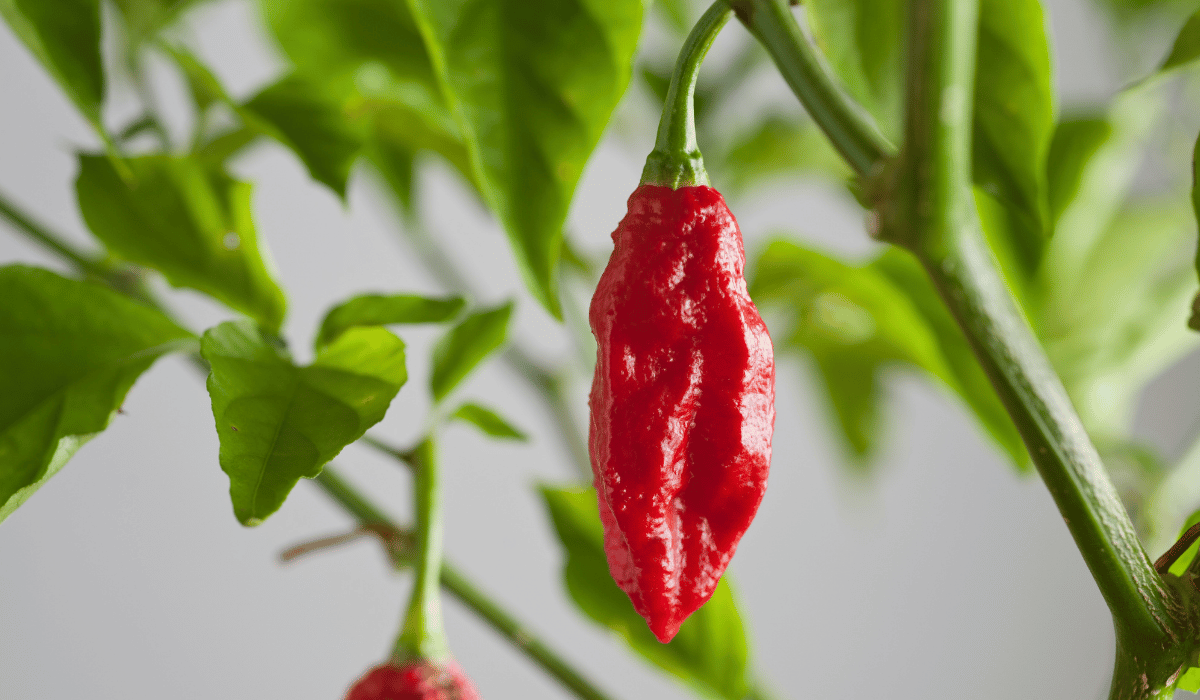
This gorgeously ghoulish pepper knocks your socks off at 855,000–1,041,427 SHU. At roughly three times the heat of a habanero, this pepper demands caution. That being said, it is a vibrantly fragrant and delicious specimen of spice that has added much to my culinary endeavors. The ghost pepper requires significant care, taking one to four weeks to germinate and requiring a long growing season of 100–140 days. They need at least a five-gallon pot of well-drained, loamy soil and six to eight hours of direct sun. Water them thoroughly, and let them dry out between waterings. You can harvest them when they’re light green, but they become a deep, fiery red when ripe, and their heat and flavor intensity increase with ripeness. Use with care, dilute before consuming, and enjoy the ride!
The Takeaway
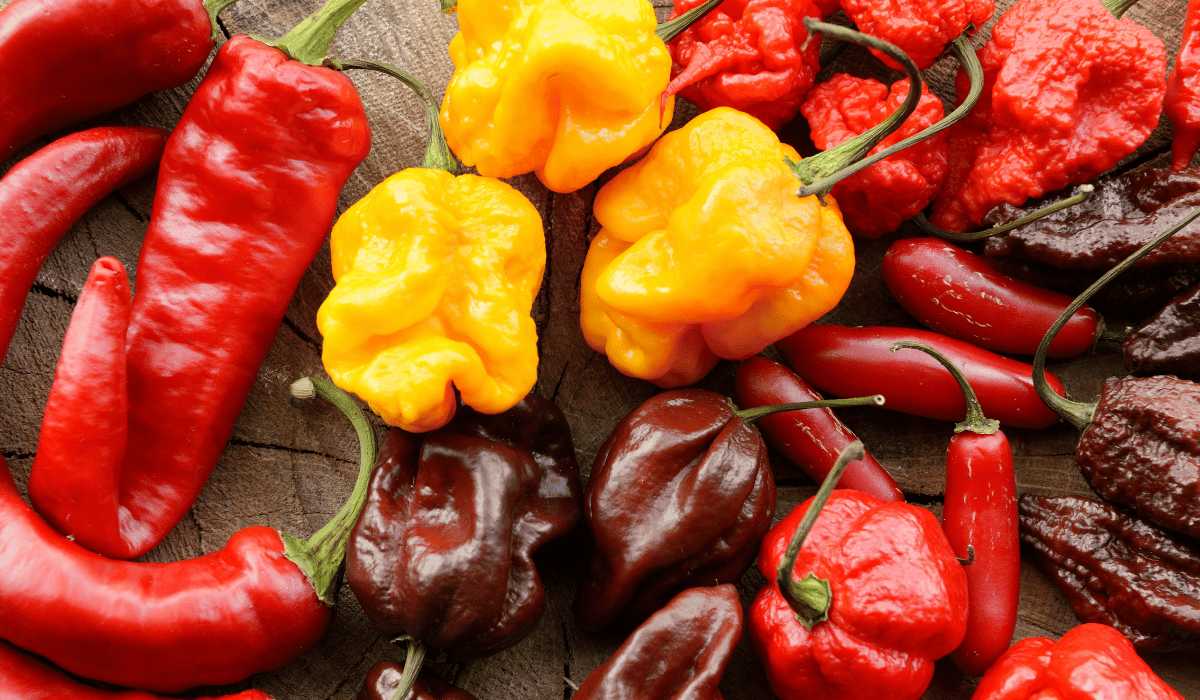
There are many wonderful peppers out there, from the benignly sweet to the scorchingly hot. They come in all shapes, sizes, and colors, and they’re guaranteed to make the foods you cook more flavorful and exciting. For consistent, reliable, affordable, and accessible seeds, Ferry-Morse is an excellent option. For those who want to take a walk on the wild side, look no further than Trade Winds Fruit. Whatever your druthers, you can rest assured that peppers are relatively easy to grow, and with a little devotion, home gardeners of all stripes can reap great results and even tastier rewards.