

- Best Pepper Seeds for Home Gardens - October 13, 2026
- Ferry Morse vs Back to the Roots: A Seed-to-Seed ComparisonFerry-Morse vs Back to the Roots: A Seed-to-Seed Comparison - September 25, 2026
- Old Seeds vs Fresh Seeds: How Long Do Garden Seeds Really Last? - August 5, 2026
As an avid gardener, I have tried my share of different seed companies. Some were wonderful while others were a bit more disappointing. Still, it’s always a good idea to break out of your routine and try something new. After several of my gardening friends suggested I look at two companies, Ferry-Morse and Back to the Roots, I decided to give them a chance.
I’d like to note that I belong to several different gardening forums and clubs across the United States so my “gardening friends” are not local.
First, both companies sell seeds that are organic and heirloom varieties. What does that mean? An organic seed is one that is harvested from a parent plant that has not been treated with chemicals or fed non-organic fertilizer. Simply put, everything must come from Mother Nature herself to be called “organic.
Heirloom seed is one that comes from an old variety that is not a GMO. It is the variety that your great-grandmother grew.
Ferry-Morse
Website
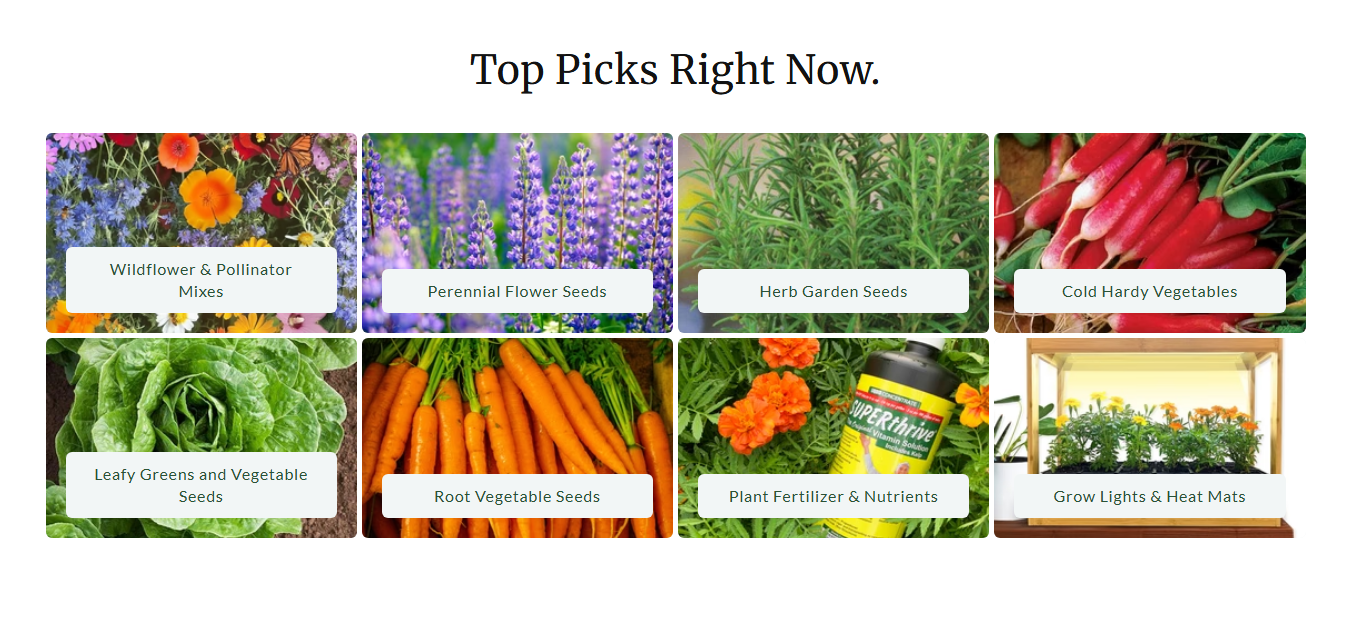
Ferry-Morse’s website was easy to use and pleasing to the eye. The organization of the information such as finding seed types was simple. Their product line did not stop at seeds though. It included seed starting supplies, garden supplies, and home/gifts. I did appreciate the fact that I could essentially order everything I would need to start my gardening journey right here.
Their learning section was interesting. Since I have been in the horticulture/gardening industry for over 20 years and an educator of this topic, I did not need this information, but it was great to see the details this company provided. Gardening guides, plant inspiration, and harvesting/recipes populated this tab. They even had “how-to videos,” which I really appreciate as an educator since not everyone learns by reading directions.
If I had to describe Ferry-Morse’s website and information, I would sum it up as very user friendly. This company provides information that is not so “highbrow” that a beginning gardener would be intimidated. In conclusion, I would give a ‘green thumbs up” for the website.
Ferry-Morse did have a tab called Garden Matchmaker Quiz that would indicate what would grow best in your area. Back to the Roots had the Grow Calendar, which was to help you order seeds that would grow in your location. But all of this required numerous clicking to get information that should have been made available.
Prices
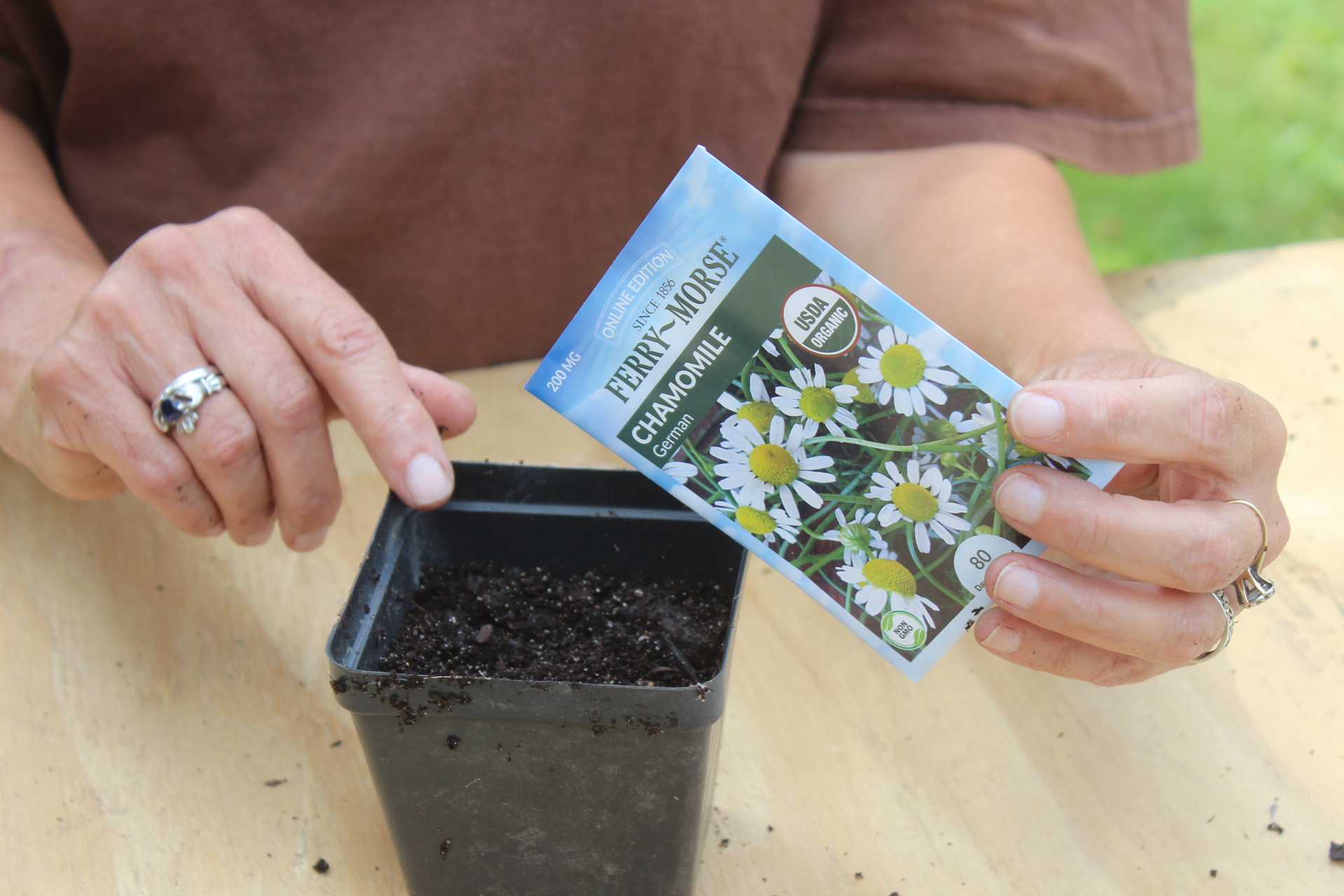
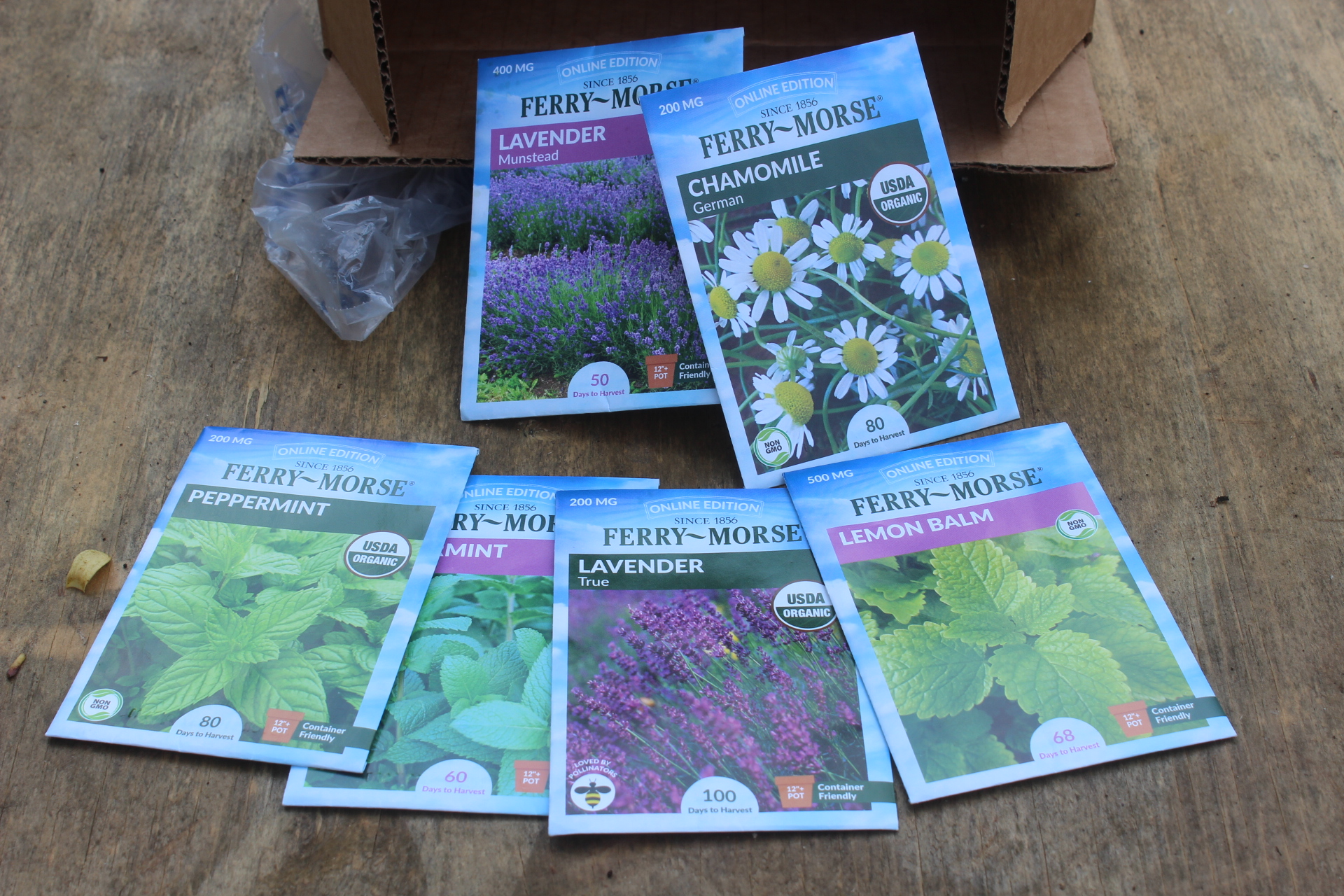
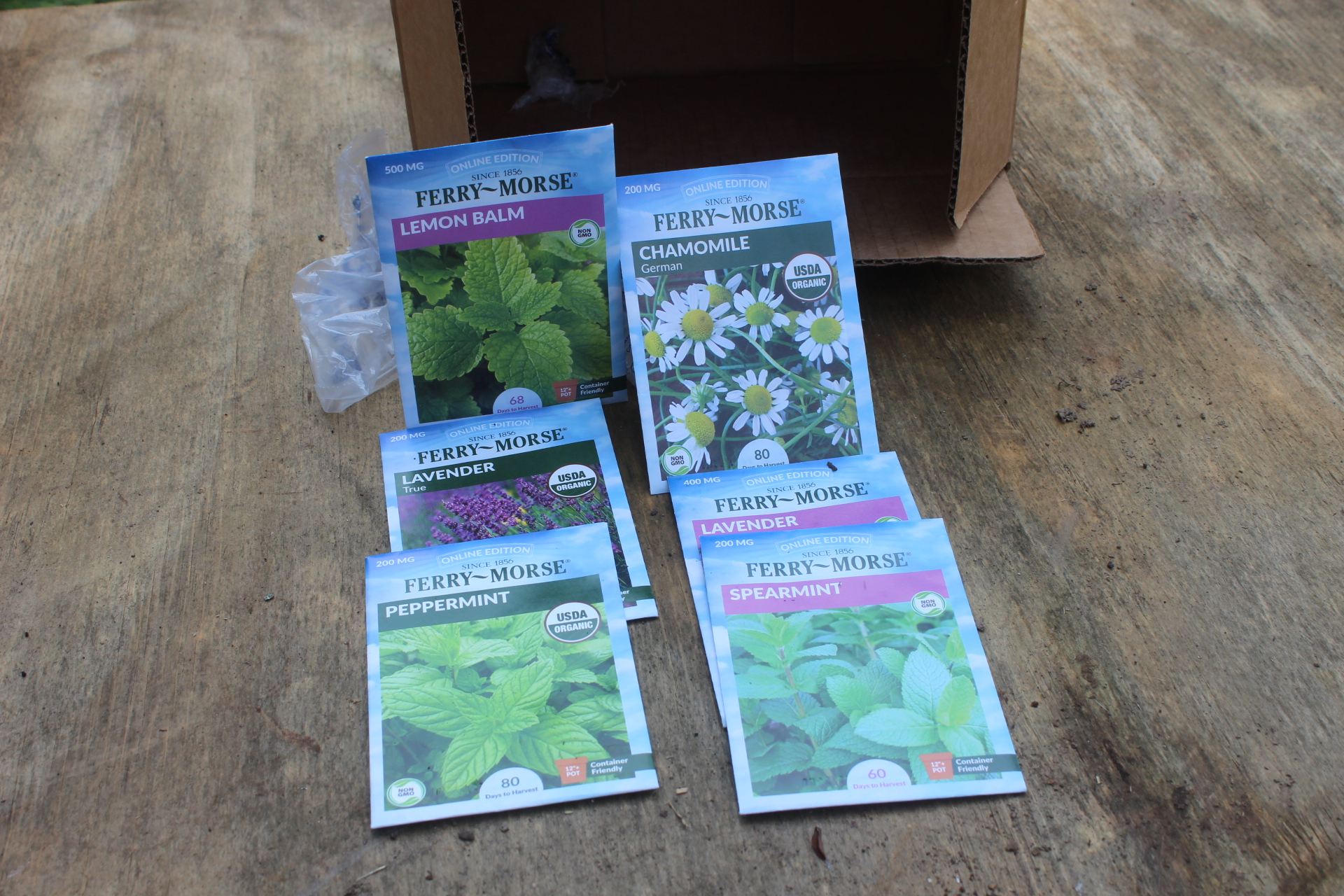
Ferry-Morse’s order consisted of 6-seed packets that were “tea-themed” for $21.99.
Ferry-Morse product was a Tea Seed Indoor Herb Garden Kit for $21.99. I do want to make it clear that the “kit” only consisted of seeds nothing else. At the time of ordering, these seeds were not on sale. Ferry-Morse, even though they were more expensive and delivered less seed, I would put them at a thumbs up lime green rating, which equates out to be a 4.5 on a 5-point scale. The reason is the bee safe seed.
Bees
Both companies delivered organic seeds, and heirloom seeds when possible. But Ferry-Morse was the only one that had bee-safe seeds.
To clarify, not all seeds are bee-safe. Seeds are produced in nature and there should be no problem. This is true but moisture is both a friend and foe to seeds. The plant’s future is stored in the seed. When picked and dried, the seed should last years but as each year ticks by environmental factors can affect the seed. While there is not much one can do about seeds aging, in the horticulture industry there is something that can be done to protect the seed from fungal issues. To prevent this problem, companies treat their seeds with fungicides that reduce the chances of fungal issues. If a fungal problem occurs, the company will lose their seed.
As one can imagine, a company that does not treat their seed with a fungicide takes a big risk when it comes to seed production. Ferry-Morse is the only company in this head-to-head comparison that does not treat their seeds with a fungicide. This is why the seed is more expensive
Packaging
Ferry-Morse seed arrived in a large box. The label was simply mailing information. Once opened, the first layer of the box was full of air-filled packing material. Underneath this layer were the seeds. A lot of waste and not contact information on the inside for this company. Before I go on though, I do want to make the point that I did not order directly from Ferry-Morse so the packaging may be different.
Back to the Roots
Variety
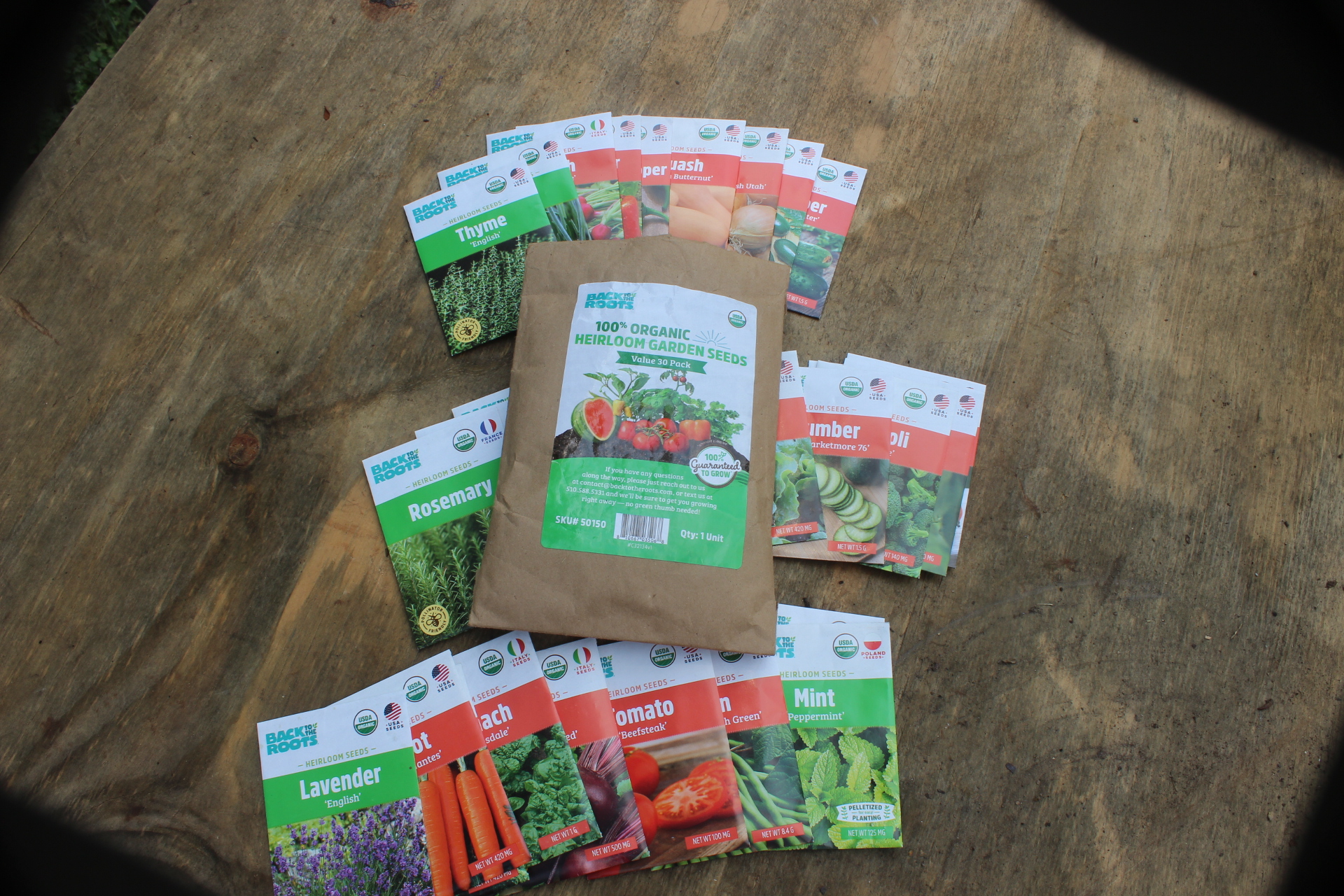
Back to the Roots seeds were generic since there were no special varieties of seeds. As an example, this company sent English lavender, garlic chives, and English thyme, which are very common varieties that many seed companies sell.
Website
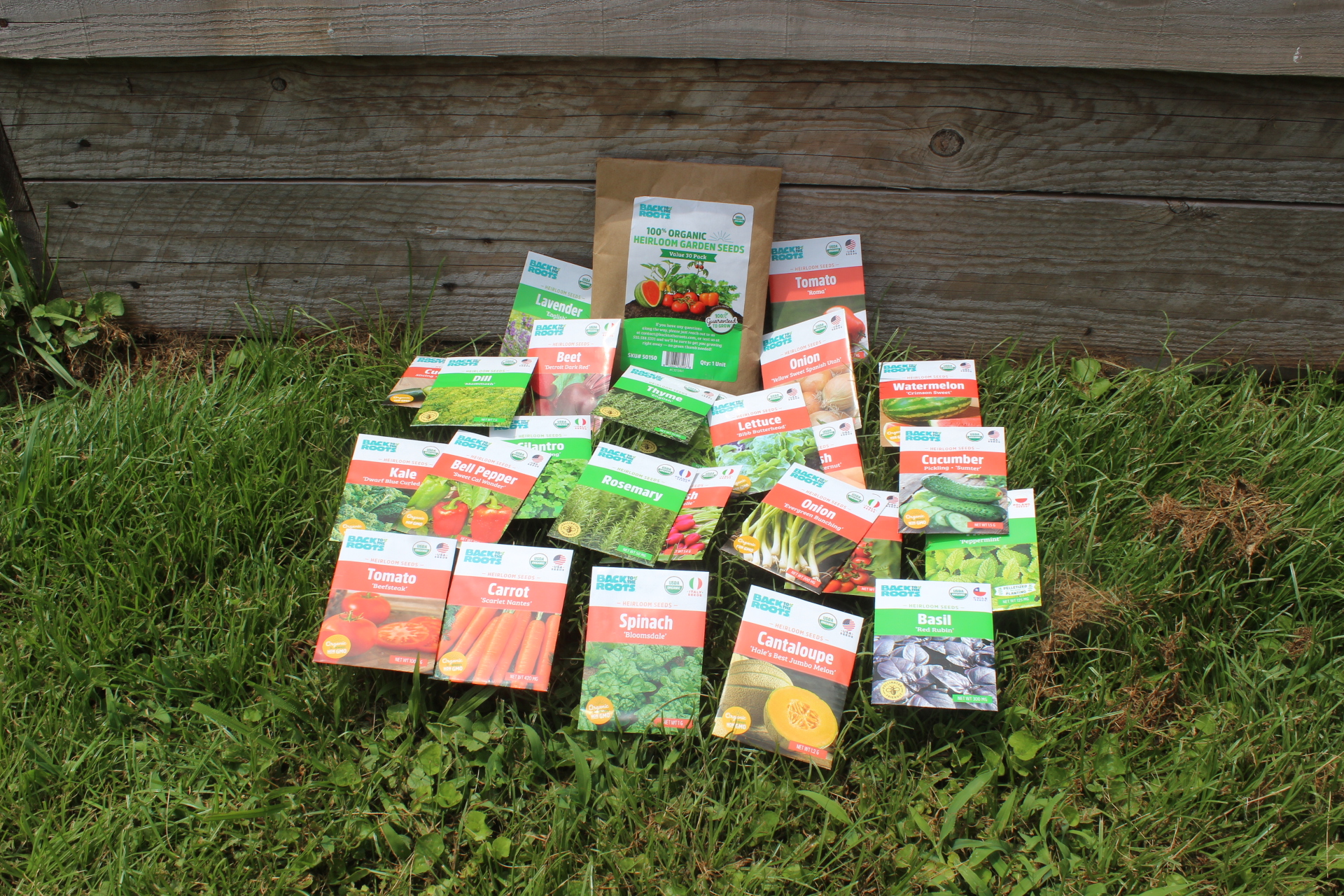
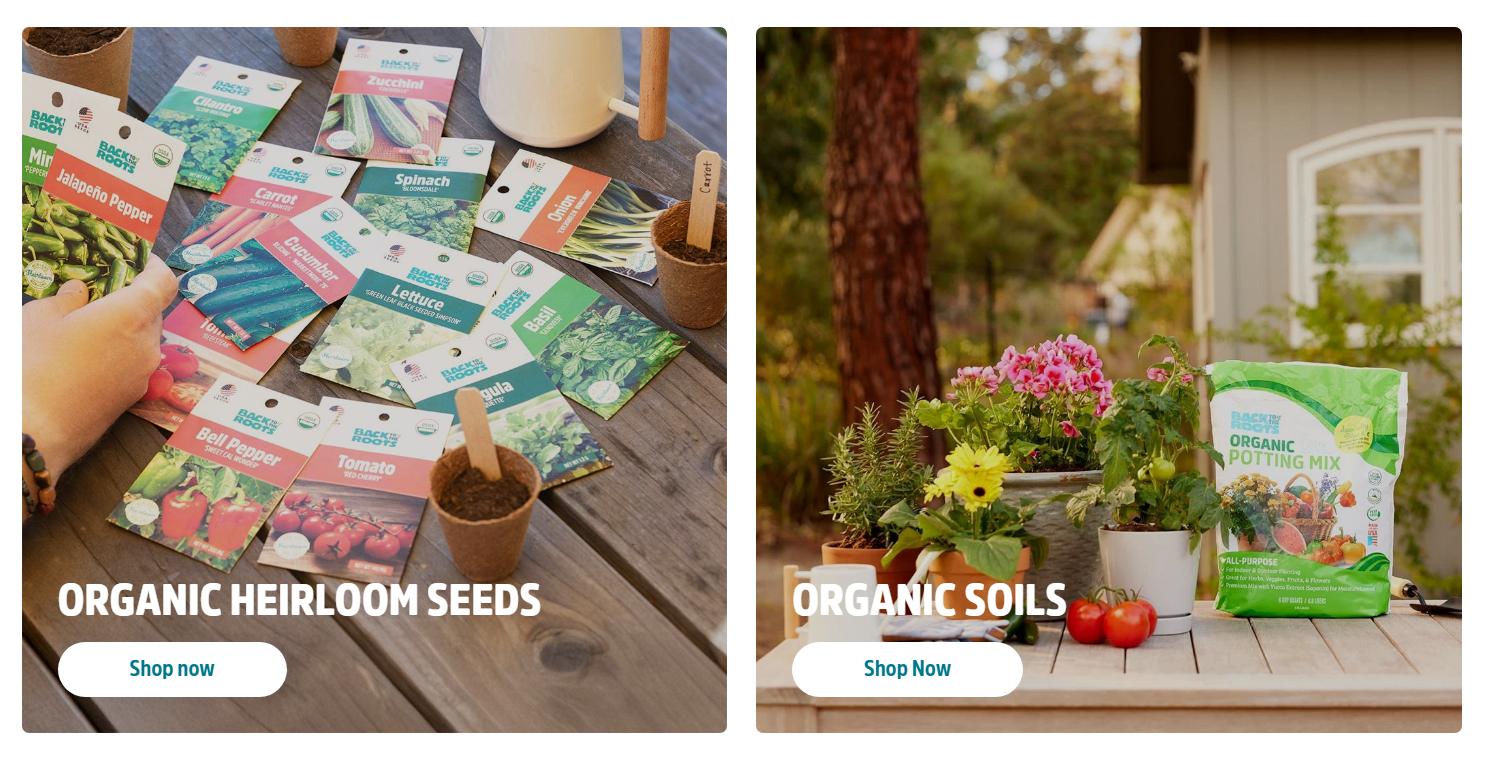
Back to the Roots website was colorful and pleasing to the eye but as an older person I felt there was a lot of work involved in finding what I want. Now, I do know this website design is very popular. The two choices were shop and explore. Another point I did not like is I had to click on the bot so that my information would not be sold but the company would still get it. For myself that was a big no. I normally do not purchase from companies that force me to accept or do not sell my information to move on.
Clicking on the two tabs opened up this company’s gardening world. I could tell right off the bat that this was a company that catered to younger people. Seeds were sold but also mushroom kits, hydroponic kits, garden supplies, etc. The picture of the founders and their story was another hint at their market. If I am honest and younger, I could relate to their story and what appears to be their goal, which is help gardeners grow plants and knowledge, encourage the next generation of gardeners, and support the science of gardening not as a vocation but as a science.
Yes, the teacher in me is coming out but let’s look at these categories.
Back to the Roots provides gardening resources that include gardening terms, a garden calendar, and a grow guide. But to be honest, this requires a lot of clicking. I would question if I would want to spend my time clicking on tabs to try to learn something.
While the “learning section” is an issue with me, I do love the “stem curriculum” or at least I did. Clicking on that section led me to their mushroom grow kit. I do understand you have to start somewhere but I was hoping for more, which did not happen.
Now, what I really did like was the “Grow one, Give one program” that this company had on their site. It was a wonderful way to share the gardening experience with an elementary classroom of your choice. The steps were simple. My only negative on this aspect was the limit to elementary school age students.
So how would I rate Back to the Roots website? Even though I would not spend all the time clicking to find info, I do love what they are trying to do as far as Stem and spurring interest in the much younger generation of gardeners so I would give Back to the Roots a “green thumbs up.” Both companies failed in educating the gardener on the USDA Plant Hardiness Zones.
Prices
To evaluate price, we must first see what we got from Amazon. What I ordered from Back to the Roots consisted of 30 seed packets that were organic and heirloom for $19.99. A great bargain when looking at the dollar and cents. In the end, I order themed packs of seed. Back to the Roots 100% Heirloom Rescued Seeds, Variety Pack 30 count for $19.99. I do want to note that at the time of purchase these seeds were on sale. In this category, I would have to say that Back to the Roots is a clear winner with a 100% emerald green thumbs up at $19.99. But this is not the whole story.
Packaging
First, both companies sent their products in recyclable material, which is a plus. Back to the Roots product was shipped in a paper envelope that was packed full. Excellent packaging. There was also contact information on the label, which I appreciated since I may have a question in the garden and need this information now.
Availability of Seeds
When I started my seed journey I knew it was going to be a challenge to find these two companies at my local box store and garden centers. I live in a rural area that has one particular seed company that caters to farmers. To not assume I could not find Ferry-Morse or Back to the Roots in my local area, I went on a seed expedition.
The first stop was at the box store, which was an epic failure. Then, onto the garden centers where I had hoped to find the elusive Ferry-Morse and Back to the Roots seed. No luck. Since I really did not want to travel to another county, I decided to investigate ordering online.
First stop was pulling up each site on the web. This was easy enough but looking at the shipping cost and the type of seeds I was looking for I decided to explore Amazon. To be fair, I really wanted to do a “spinach to spinach comparison.” This was just not possible on Amazon. What was available were themed packages, which I am not complaining but it made it a bit more challenging when it came to a fair comparison.
Since my “spinach to spinach comparison” was not out the garden shed door, I decided to explore price. While the cost for the products that I bought was not exact, I felt they were close enough for a fair comparison.
Packaging
I do understand sustainability is not everyone’s cup of tea but for myself the excessive packaging is a waste, cost consumers, and is not sustainable. The other curious thing is the fact that seeds are tough and placing them in a paper envelope would have been a smarter choice. But since I ordered from Amazon, I am at a disadvantage to honestly grade the packaging. But grading how my items were delivered I would give Back to the Roots a emerald green thumbs up and Ferry-Morse a brown thumb down.
Type of Seed from Ferry-Morse vs. Back to the Roots
Ferry-Morse, on the other hand, did have generic seeds such as lemon balm, spearmint, and pepper mint that any seed company selling herbs would have but they did also have two lavender varieties (true and munstead), which are normally more expensive even though both are commonly found.
I would give both companies an emerald green thumbs up for the seed types that they provided since they were organic and heirloom, which separates them from the gardening crowd. But I would give Ferry-Morse an extra green thumb for the bee-safe seeds.
Final Thoughts
Both organic and heirloom seeds cost more to produce. There is more risk in production, which means a higher cost.
First, I would like to say that both companies have wonderful products that are diverse enough that I could find lots of gardening supplies that I would love to order on their websites. While they did share some of the seeds, such as peppers, I could easily tell they each filled a different market. As an educator, I love the STEM curriculum and “Grow One, Give One Program” that Back to the Roots has on their site. I also found the contact information on the package very helpful; I was disappointed in not knowing if my perennial herbs would grow in my area due to lack of USDA Plant Hardiness Zone information.
Ferry-Morse had the same problem with lack of information on the Hardiness Zones. Now, they did have their website information on each seed packet, but I would have preferred the ability to text someone compared to having to go through a website.
Economically, Back to the Roots is the winner at 30 seed packets for $19.99 but beyond organic and heirloom the seeds were generic. Ferry-Morse had fewer seeds for $21.99 but were bee-safe, which is important to me since I have beehives on my property.
With all factors considered, I would give the emerald green thumbs up award to Ferry-Morse. The two lavender varieties plus being bee-safe is what swayed my decision. Plus, I save my own seed from my vegetable plants, so the 30-pack is not something that I really did not need. But for value and the extra program incentives, I would not throw Back to the Roots on the compost pile. They would be a wonderful resource for beginning gardeners who are looking to support a movement in their community.