


- Best Pepper Seeds for Home Gardens - October 13, 2026
- Ferry Morse vs Back to the Roots: A Seed-to-Seed ComparisonFerry-Morse vs Back to the Roots: A Seed-to-Seed Comparison - September 25, 2026
- Old Seeds vs Fresh Seeds: How Long Do Garden Seeds Really Last? - August 5, 2026
The spring I finally got serious about a vegetable garden, I stood in front of a seed rack at Tractor Supply holding Big Beef tomatoes in one hand and Kentucky Wonder pole beans in the other, trying to calculate how many hills I could fit. I bought both. I also came home with zinnias I had not planned for and a bag of soil amendment I did not understand well enough to be purchasing. Three weeks later, half my tomato transplants were dead. My first thought was that something had been wrong with the seeds.
It took most of that season to understand what had happened. I had moved the tomatoes outside before our last frost date. In my part of Michigan, one warm week in April can convince you spring has arrived, then the temperature drops into the thirties overnight as if the previous seven days never happened.
The seeds were fine. My timing was terrible.
That experience made me more cautious about blaming the packet every time something failed. Where you purchase seed affects what varieties you can find, how much information you receive, and what happens if the packet arrives damaged or mislabeled. It cannot protect a tomato from a late frost or keep a seed tray watered while you are away.
I buy seeds from several places now. A farm-store rack works well for familiar vegetables and flowers I need quickly. Online companies give me access to varieties the local buyer did not stock, while independent garden centers can offer advice that accounts for our short season. Seed swaps occasionally turn up something I would never have known to search for.
The trick is knowing what each source is good at and what to check before you buy.
The Quick Answer
For ordinary vegetables, herbs, and flowers, I am comfortable buying a nationally available brand from a local farm-supply store or garden center. Ferry-Morse fits that role because I can usually find the packets without driving across the state or placing a large online order. The company dates back to 1856, its seed line is 100% non-GMO and non-neonic, and it offers a fresh seed guarantee. That makes Ferry-Morse a practical starting place for a first garden. It does not mean every gardener should buy every packet from the same company.
Botanical Interests is where I look when I want more information printed directly on the packet. Burpee has a broad, familiar catalog. Seed Savers Exchange appeals to me when the variety has a history I want to know about or preserve.
Local garden centers and farm co-ops are often my first stop when I need something immediately. If planting weekend has arrived and I discover I forgot bush beans, waiting five business days for shipping feels much longer than usual.
For a first garden, keep the order realistic. Choose a few things your household will eat, add a flower or herb you are excited about, and plant them before researching becomes another reason to wait.
Farm Stores And Big Retailers Get Dismissed Too Easily
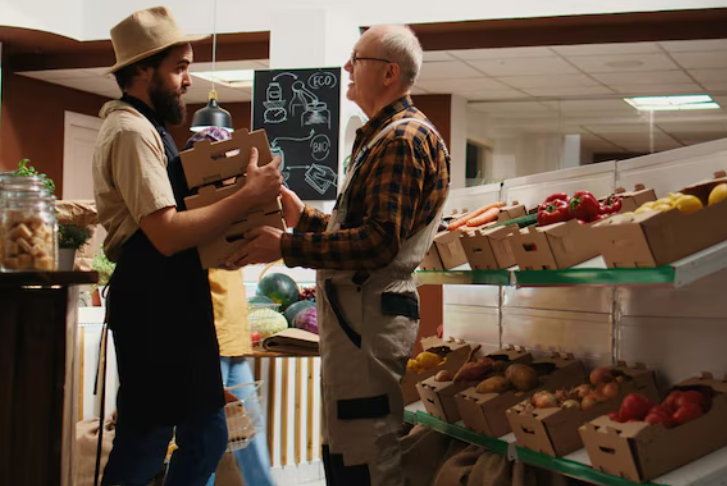
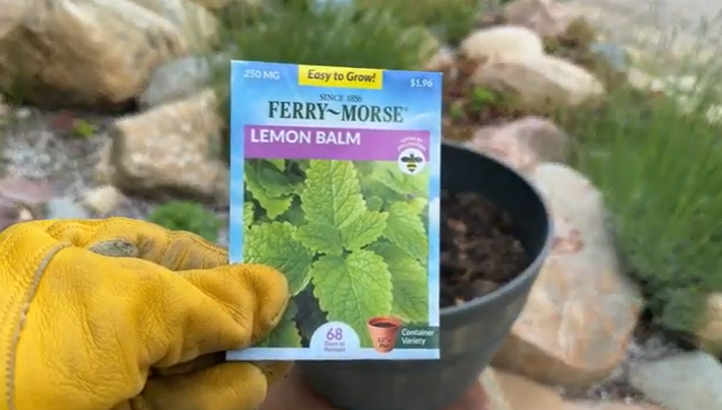
Garden forums can be strangely judgmental about seeds sold at large retailers. A glossy mail-order catalog may feel more serious than a spinning rack next to the patio cushions, but that store rack has helped plenty of people grow perfectly respectable tomatoes.
In rural areas, it may also be the only seed source within a reasonable drive.
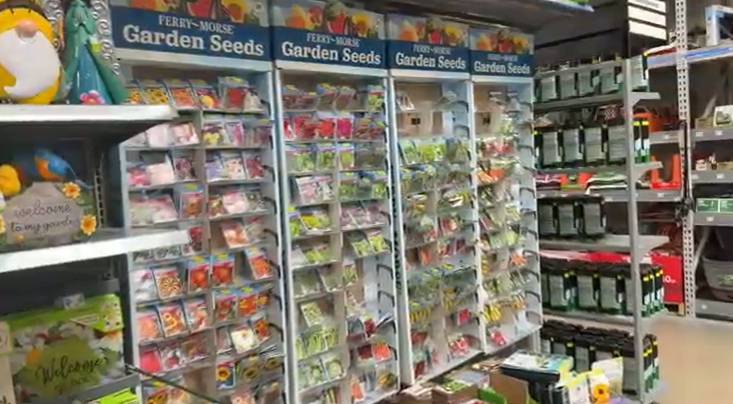
Rural King, Tractor Supply, Menards, Walmart, and local hardware stores often carry the familiar crops people want at the beginning of the season. You can hold several packets side by side, compare days to maturity, and turn each one over to check planting depth and spacing. You can also buy four packets without paying a shipping charge that nearly doubles the order.
That convenience is useful in the Midwest, where planting plans change with the weather. A cold, wet stretch may delay peas. A warm forecast may send everyone searching for bean seeds and tomato cages on the same Saturday morning.
Ferry-Morse is one of the brands I see most often on those racks. The selection depends on the store, though. A regional buyer decides what receives shelf space, so you will probably find common slicing tomatoes, cucumbers, green beans, lettuce, and marigolds before you find a rare pepper or a tomato associated with a particular region.
Check the packed-for date, make sure the envelope is sealed, and skip anything that looks damp, faded, or badly crushed. A seed rack near an open garden-center door has a rougher life than one sitting inside a dry warehouse.
Buying Direct Gives You More Room To Search

Ordering directly from a seed company helps when the local rack cannot answer a specific request.
Maybe you need a tomato that finishes early enough for a short season. You may be planting cucumbers in a container and want a compact variety instead of a vine that will take over the deck. Online filters can narrow the catalog by days to maturity, plant size, color, disease resistance, growing conditions, or seed type. Access to the full catalog is also where restraint starts to disappear.
I have opened a seed website looking for basil and ended up comparing striped tomatoes, purple beans, and peppers I would have to start while snow was still on the ground. The catalog makes every empty corner of the yard look available.
Before I shop online, I count the beds and containers I have, then write down the vegetables we eat often enough to justify growing. I still leave room for one strange pepper or tomato because a garden planned with complete discipline is not much fun!
Direct ordering also gives you time to read the company’s guarantee and growing information.
Burpee offers a one-year guarantee on its seed packets. Botanical Interests has a satisfaction guarantee and describes regular third-party germination testing for its seed lots. Those policies give you somewhere to turn if a packet arrives damaged or the seed appears to have a genuine problem.
Soil temperature, watering, depth, weather, and pests still have a say. A guarantee may replace the bean seed, but it will not replace the row the rabbit ate overnight.
Specialty Companies Help When You Want Something Specific
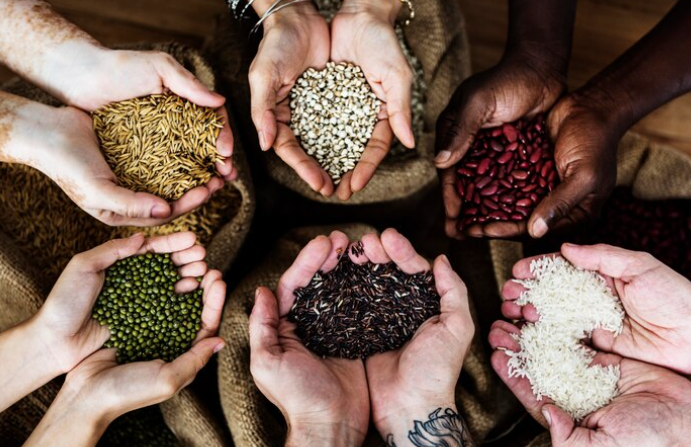
Most of the time, I am happy with a dependable lettuce that grows well and tastes good. Every so often, I hear about one that changes the search.
It may be the lettuce someone’s grandmother grew, a tomato brought to the Midwest by an immigrant family, or a bean a friend has saved for years. Once I have the name, I usually want that exact variety rather than the closest packet hanging at the store.
Seed Savers Exchange is one of the first places I would look. The nonprofit grew from Diane Ott Whealy and Kent Whealy’s effort to preserve two heirloom varieties passed down through Diane’s family: Grandpa Ott’s morning glory and German Pink tomato. Her great-grandparents brought the seeds to Iowa from Bavaria in 1884.
The organization now maintains a large collection at Heritage Farm near Decorah, Iowa, and helps gardeners exchange seeds that may never be produced for mass retail. You are growing food or flowers, but you are also helping keep a variety from quietly disappearing.
Baker Creek attracts gardeners for similar reasons, although its catalog can be dangerous for anyone whose curiosity is larger than their garden. Before ordering, check the growing season and days to maturity. A rare pepper that thrives through a long Southern summer may still be green when Michigan gets its first hard frost.
Botanical Interests occupies a comfortable middle ground. It carries heirloom, organic, and open-pollinated options, but the packet information is a large part of why I would send a newer gardener there. Germination times, spacing, planting depth, and other details are clear enough that you do not need years of experience to understand what you are buying.
Specialty sellers give you access to narrower and more unusual choices. Those choices still have to suit your climate, space, and patience.
Local Garden Centers And Co-Ops Know The Season
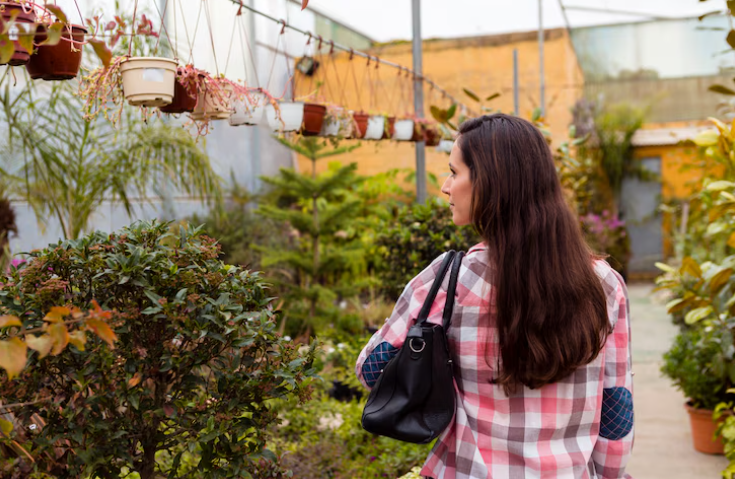
An independent garden center or farm co-op can be helpful because the employees have already heard what gardeners in the area are struggling with.
By late spring, they know which tomato sold out, whether people are complaining about cold soil, and how far behind planting has fallen after two weeks of rain. Some employees garden themselves. Others have answered enough questions to recognize the patterns.
Many local stores carry national brands, so asking whether the seeds are “local” does not tell you much. I get better information by asking why the store chose those varieties. A thoughtful buyer may have selected vegetables that finish within the local season. The packet may have been produced elsewhere, but the store’s judgment still has value.
Some shops carry smaller regional seed companies that focus on short summers, humidity, heavy soil, or other conditions common to the area. I still check the packet rather than assuming the word “regional” means the seed will thrive in my yard.
Garden centers are particularly useful once the season is underway. If my first planting of beans fails or I realize I forgot dill, I can ask whether there is still enough time to replant. Someone behind the counter may save me from using a short Michigan season on a crop that no longer has time to mature.
Seed Libraries And Swaps Require A Little More Trust
Seed libraries run through public libraries, community gardens, extension programs, and local gardening groups. Many allow people to take a small amount of seed, grow it, and return saved seed later if they are able. I like them because they make experimentation easier. Trying an unfamiliar bean feels less wasteful when you can take enough for one row rather than buying far more than you need.
Swaps can also turn up varieties that have circulated locally for decades. You might receive a folded envelope with “Aunt June’s Beans” written across the front and no planting instructions anywhere. That does not make the seed bad… it means you should ask a few questions while the grower is standing there.
Find out when the seed was harvested and how it was stored. Ask whether the variety was isolated from similar plants if growing true to type is important. Squash and corn cross-pollinate easily, so the plant that comes up may surprise both you and the person who saved it.
I plant a little extra when using swapped seed and avoid giving an unknown packet the only row available for an important crop. A free envelope becomes less charming when nothing germinates, and it took the space reserved for the beans you planned to freeze.
Marketplaces Deserve The Most Scrutiny

I am more cautious with seeds sold through general online marketplaces and unfamiliar social-media sellers.
A listing may show a beautiful striped tomato without explaining who produced the seed, how old it is, or where it was stored. Sometimes the photo has been copied from another site. In the worst cases, the plant does not exist outside photo-editing software. Blue strawberries and rainbow roses have been sold to hopeful gardeners for years.
Before ordering, look past the marketplace name and check the individual seller. A legitimate company should provide clear variety names, realistic photographs, contact information, packet quantities, and a replacement or refund policy.
Marketplace reviews are less helpful than they appear. Many people leave five stars because the envelope arrived quickly. That tells you nothing about germination or whether the plant eventually matched the label.
Loose seed with no identification is another easy pass. I will accept a handwritten envelope from someone at a local swap because I can ask about it. An anonymous bag mailed from several states away gives me nowhere to start when something unexpected grows.
What I Check Before Relying On A Source
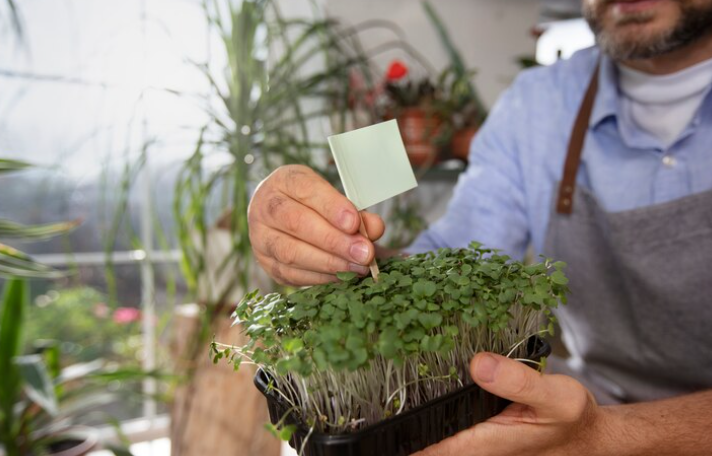
The variety should be named clearly. When words such as hybrid, heirloom, open-pollinated, or organic apply, the seller should use them accurately.
Those labels do not mean the same thing. An heirloom is not automatically organic, and organic seed must be produced and labeled according to the applicable standards. A hybrid can be an excellent choice even if saved seed will not produce the same plant the following year.
The packet should provide enough information to plan the planting. I look for depth, spacing, germination range, light requirements, and days to maturity or bloom. That maturity number gets a lot of my attention. A variety needing a long season may perform beautifully somewhere warmer and still run out of time in Michigan.
I also look for a packed-for date, freshness statement, or information about testing. Ferry-Morse emphasizes its fresh seed guarantee. Botanical Interests discusses third-party testing, and Burpee publishes its packet guarantee.
Finally, I check whether the company provides a phone number, email address, or support form. The day a packet arrives open, mislabeled, or damaged, having someone to contact becomes far more useful than another paragraph of glowing product copy.
Do Not Confuse A Seed Problem With A Growing Problem
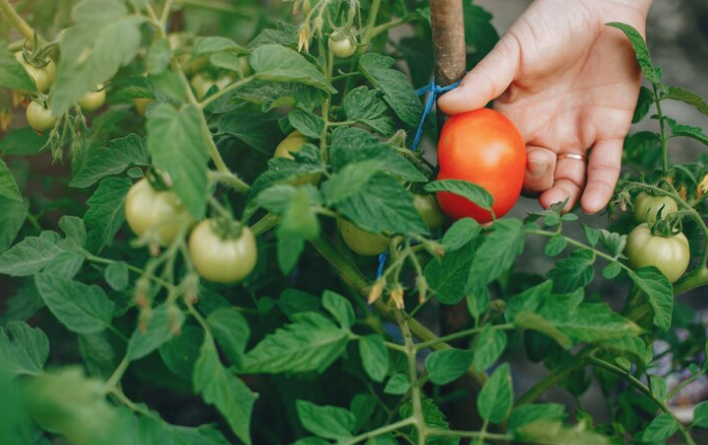
I still think about those first tomato plants whenever a tray sits empty longer than expected. Sometimes poor seed is responsible. More often, the soil was too cold, the seeds were planted too deeply, or the tray dried out.
Start with the germination range printed on the packet. Day five is not a crisis when the packet says the seedlings may take seven to fourteen days. After that, check moisture and temperature. Warm-season crops can remain quiet in cold soil. Tiny seeds may not have enough stored energy to reach the surface if they are buried too deeply.
When several packets from the same order fail under reasonable conditions, contacting the seller is fair. Keep the original packet and any batch information printed on it. Those details make the conversation easier than trying to explain that the seeds came from “the green packet with the tomato on it.”
Where I Would Buy Next
For the familiar vegetables, herbs, and flowers that make up most of my garden, I would still start with a known brand at a store I already visit. Ferry-Morse is easy to find in that setting and gives a newer gardener plenty to choose from without requiring a large online order.
I would order from Botanical Interests when packet information was especially important. Burpee would be on my list for a broad mix of familiar seeds, plants, and garden products. When the history of the variety was part of the appeal, I would turn to Seed Savers Exchange or another preservation-focused seller.
The local co-op will continue to get some of my money because a person who gardens in the same weather can be more helpful than another hour of scrolling. I will take seeds from libraries and swaps, too, while leaving room for the occasional surprise. Most gardens do not need a single official seed source. The final pile of packets usually comes from two or three places, depending on what I am growing and how quickly I need it.
Buy for the garden you have this season, rather than the imaginary one that appears after six catalogs and too much coffee. Choose seeds you can identify, read the instructions, and plant while you are still excited. Getting them into the ground was one thing I did right that first spring, even if the tomatoes and I had a few other details to work out.